
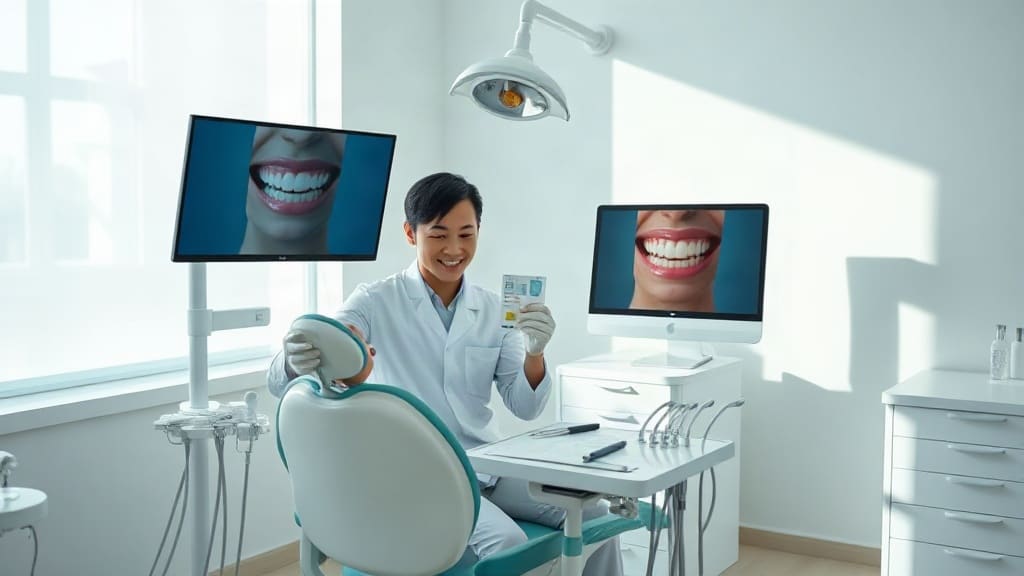
Understanding Dental Veneers and Their Appeal
Dental veneers are thin, custom-made shells that cover the front surface of your teeth. They are designed to improve the color, shape, size, or length of your teeth, giving you a more uniform and brighter smile. Veneers are often made from porcelain or composite resin, but in Turkey, the most popular options tend to be porcelain-based because of their durability and natural appearance.
People choose veneers for many reasons. Some have teeth that are worn down from grinding. Others have gaps they want to close without orthodontics. Stains from coffee, tea, or certain medications that do not respond to whitening can also be masked effectively with veneers. The appeal is not just cosmetic; veneers can also protect the surface of damaged teeth and restore confidence in social and professional settings.
Why Turkey Became a Hub for Cosmetic Dentistry
Turkey has become one of the top destinations for dental tourism, and it is not hard to see why. The cost of living and operational expenses are lower than in the UK, the US, or many parts of Europe, which allows clinics to offer high-quality work at a fraction of the price. Many Turkish dentists have trained internationally and use the same brands of materials and equipment you would find in a modern dental practice anywhere in the world.
Another factor is the experience. Clinics in cities like Istanbul, Antalya, and Izmir are used to treating foreign patients. They often have multilingual coordinators, in-house accommodation arrangements, and streamlined processes that make the trip feel less like a medical procedure and more like a planned holiday with a dental appointment. That combination of affordability and convenience is a big draw for people considering veneers turkey.
Emax Veneers: The Gold Standard for Aesthetics
When you start researching veneers in Turkey, you will quickly come across the term Emax. Emax is a brand name for a type of lithium disilicate glass-ceramic that is known for its strength and lifelike translucency. emax veneers turkey are a top choice for patients who want a very natural finish, especially on the front teeth.
What makes Emax stand out is how it interacts with light. Unlike some older porcelain materials that can look flat or overly opaque, Emax has a depth that mimics natural enamel. It can be made very thin, which means less tooth preparation is needed. In many cases, the dentist only removes a minimal amount of enamel, or sometimes none at all if the veneer is designed as a no-prep or minimal-prep option.
Emax veneers are also quite strong. They can withstand normal biting forces and are resistant to chipping when properly bonded. However, they are not indestructible. Patients who grind their teeth heavily may still need a night guard to protect their investment. The main downside is cost, as Emax tends to be more expensive than other types of veneers, but in Turkey, that price difference is much smaller than in Western countries.
Zirconium Crowns: Strength Meets Beauty
While veneers cover only the front of a tooth, crowns cover the entire tooth. zirconium crowns turkey are a popular solution for patients who need more structural support or have teeth that are heavily damaged. Zirconium is a very hard ceramic material that is virtually unbreakable under normal use. It is often used for back teeth where chewing forces are greatest, but it can also be used for front teeth when a full-coverage restoration is needed.
One of the biggest advantages of zirconium is its biocompatibility. It is metal-free, which is important for people with metal allergies or those who simply do not want a dark metal line showing at the gum. Modern zirconium crowns can be layered with porcelain to improve aesthetics, or they can be made from a monolithic block that is extremely strong but slightly less translucent. The choice depends on the location of the tooth and the patient's aesthetic goals.
In Turkey, zirconium crowns are often combined with veneers in a full mouth rehabilitation. For example, a patient might get Emax veneers on the front six to eight teeth and zirconium crowns on the premolars and molars. This hybrid approach balances beauty and durability while keeping costs manageable.
Comparing Veneers and Crowns: Which One Do You Need?
The decision between veneers and crowns comes down to the condition of your teeth and what you want to achieve. Veneers are ideal for cosmetic changes when the tooth structure is mostly intact. They can fix discoloration, minor chips, small gaps, and slight misalignment. Crowns are better when a tooth is broken, has a large filling, or has undergone root canal treatment. A crown provides full coverage and protects the tooth from further damage.
Some clinics in Turkey offer packages that include both veneers and crowns as part of a full smile makeover. This is common for patients who have a mix of cosmetic and structural issues. During your consultation, the dentist will examine your teeth, take X-rays, and discuss your goals before recommending a specific plan. It is important to be honest about your habits, such as teeth grinding or nail biting, because these can affect the longevity of the restorations.
The Treatment Process: What to Expect
Understanding the typical timeline can help you plan your trip. Most veneer and crown treatments in Turkey require two visits. The first visit is for preparation and temporary restorations. The second visit, usually a few days later, is for fitting the permanent restorations. Some clinics use in-house milling machines that can produce the restorations in a single day, but this is less common for high-end aesthetic work.
First Visit: Consultation and Preparation
Your first appointment will include a thorough examination, digital scans or impressions, and a discussion about the desired shape and shade of your new teeth. The dentist will prepare your teeth by removing a small amount of enamel (for veneers) or shaping the tooth (for crowns). Temporary veneers or crowns are placed to protect the teeth and give you a preview of the final result. This appointment can take several hours, especially if many teeth are being treated.
Second Visit: Fitting and Adjustments
After the lab has fabricated your custom restorations, you will return for the fitting. The dentist will try them on, check the fit and color, and make any necessary adjustments. Once you are happy with the appearance, the restorations are bonded permanently. You will receive instructions on how to care for them and may be asked to come back for a follow-up if you notice any issues after a few weeks.
Cost Considerations and Quality Assurance
One of the main reasons people travel to Turkey for dental work is cost. The price of veneers and crowns in Turkey can be 50% to 70% lower than in the UK or the US, even after factoring in flights and accommodation. However, price should not be the only factor. You want to make sure the clinic uses genuine materials, follows strict sterilization protocols, and has a track record of successful outcomes.
Ask the clinic about the brands they use. For Emax veneers, the material should be genuine IPS e.max from Ivoclar. For zirconium crowns, ask about the specific zirconia brand and whether it is layered or monolithic. A reputable clinic will be transparent about these details and will provide a written treatment plan and warranty. Be wary of clinics that offer extremely low prices without explaining why; sometimes they cut corners on lab work or use inferior materials.
Practical Tips for a Smooth Experience
Planning a dental trip abroad requires some preparation. Here are a few things to keep in mind:
- Research the clinic thoroughly. Look for reviews from previous international patients, check before-and-after photos, and verify the dentist's credentials.
- Communicate clearly. Use video consultations before you travel to discuss your expectations and ask all your questions. Make sure you understand the treatment plan and the total cost.
- Plan for recovery. You may experience some sensitivity or discomfort after preparation. Avoid very hot or cold foods and drinks for a few days. Soft foods are your friend.
- Consider the timing. If you are getting many veneers or crowns, you might want to avoid scheduling important events immediately after your return. Give yourself a week or two to adjust to the new feel.
- Get everything in writing. Your treatment plan, warranty, and aftercare instructions should be documented. This protects you if any issues arise later.
Aftercare: Making Your New Smile Last
Veneers and crowns are not maintenance-free, but they are easy to care for with good habits. Brush twice a day with a non-abrasive toothpaste, floss daily, and use a mouthguard if you grind your teeth at night. Avoid biting into very hard objects like ice, pens, or nutshells. Regular dental check-ups, even if you do not live in Turkey, are important to monitor the health of your gums and the integrity of the restorations.
With proper care, Emax veneers can last 10 to 15 years or more, and zirconium crowns can last even longer. The bonding is strong, but it is not indestructible. If a veneer chips or comes loose, it can often be repaired or replaced without having to redo the entire set.
Frequently Asked Questions
How long do veneers from Turkey last?
With good oral hygiene and regular dental visits, porcelain veneers from Turkey can last 10 to 15 years or longer. Emax veneers, in particular, are known for their durability. Avoiding habits like teeth grinding without a guard and not using your teeth as tools will extend their lifespan.
Is it safe to get dental work done in Turkey?
Yes, if you choose a reputable clinic. Look for clinics that are accredited by the Turkish Ministry of Health, use internationally recognized materials, and have experience treating foreign patients. Always check reviews and ask for a detailed treatment plan before committing.
What is the difference between Emax veneers and zirconium crowns?
Emax veneers are thin shells that cover only the front of the tooth and are best for cosmetic improvements. Zirconium crowns cover the entire tooth and are used when the tooth needs more structural support. Emax offers superior translucency for front teeth, while zirconium is stronger and often used for back teeth.
How many visits do I need for veneers in Turkey?
Most treatments require two visits. The first visit is for preparation, impressions, and temporary restorations. The second visit, usually 3 to 7 days later, is for fitting the permanent veneers. Some clinics offer same-day options with in-house milling, but this is less common for high-end aesthetic work.
Can I eat normally after getting veneers?
You can eat most foods after the veneers are bonded, but you should avoid very hard or sticky foods that could damage them. During the temporary phase, stick to soft foods and avoid chewing directly on the temporary teeth. Once the permanent veneers are placed, normal eating is fine with a bit of caution.