
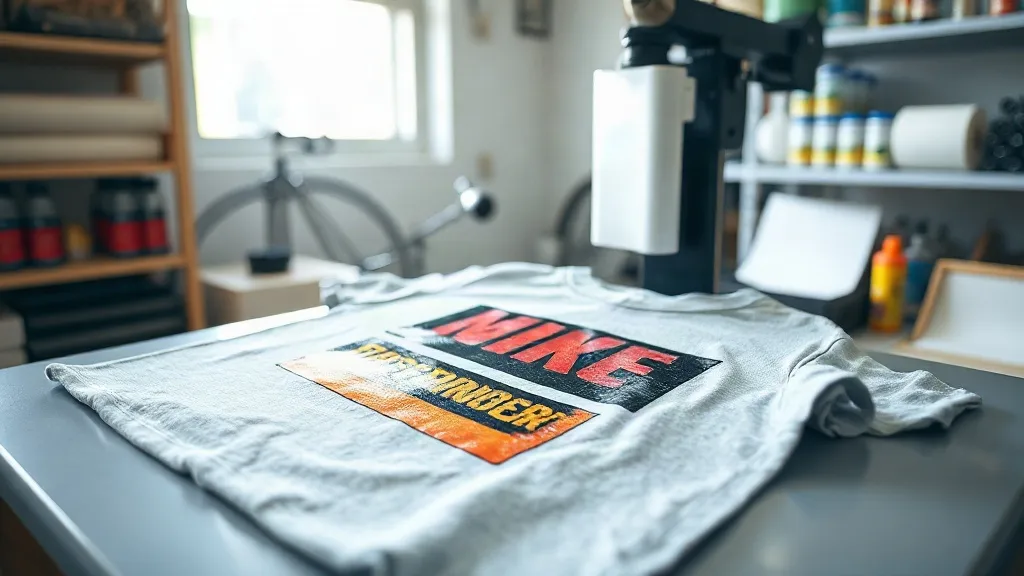
Imagine pressing a custom design onto a cotton t-shirt, a polyester jersey, or even a canvas tote, and watching it come out with colors so vibrant they seem to glow, and a feel so soft you forget it's a print. That's the magic of dtf transfers, a technology that has taken the custom apparel world by storm. Unlike traditional methods that limit you to certain fabrics or require complex setups, DTF (Direct to Film) transfers open up a world of possibilities for creators, small businesses, and hobbyists alike. In this guide, we'll dive deep into what DTF transfers are, how they work, and why they might just be the best choice for your next project.
What Are DTF Transfers?
DTF stands for Direct to Film. It's a printing process where your design is printed onto a special film, coated with a adhesive powder, and then heat-pressed onto your fabric. The result is a transfer that bonds permanently with the material, offering incredible detail and color vibrancy. Unlike DTG (Direct to Garment) which prints directly onto the fabric, or vinyl which requires weeding, DTF transfers are printed on film first, giving you more control and consistency.
The key components of a DTF transfer are the PET film, the specialized inks (usually CMYK plus white), and the hot-melt adhesive powder. When heat is applied, the adhesive melts and fuses the ink layer to the fabric fibers. This creates a strong bond that can withstand repeated washing and stretching. The white ink layer is crucial because it acts as a base, allowing the colors to pop even on dark garments. Without it, printing on black would be dull and muted. DTF transfers are known for their ability to produce fine details, gradients, and photographic images with stunning accuracy.
Why Choose DTF Transfers Over Other Methods?
If you've ever tried screen printing, you know it's great for bulk orders but expensive for small runs. Vinyl is cost-effective for simple designs but limited in color and complexity. DTG is excellent for cotton but struggles with polyester and dark colors. DTF transfers, on the other hand, combine the best of all worlds. They work on virtually any fabric, including cotton, polyester, blends, leather, and even wood. They don't require pre-treatment, and they produce a soft, stretchable print that doesn't crack or peel easily.
Another major advantage is the ability to print full-color designs without color separation. You can print gradients, photographs, and intricate patterns with ease. The setup cost is minimal; you only need a DTF printer and a heat press. This makes DTF transfers ideal for small businesses that want to offer custom apparel without investing in multiple machines. Plus, the transfers can be stored for months, so you can print on demand and press when needed. That flexibility is a game-changer for entrepreneurs who want to minimize waste and maximize efficiency.
Unmatched Durability and Softness
One of the most common concerns with printed apparel is how it will hold up after multiple washes. DTF transfers are engineered to last. The adhesive powder creates a strong bond that resists cracking and fading. When properly applied, a DTF print can outlast the garment itself. And because the ink layer is thin, the print feels soft to the touch, not like a plastic patch. You can stretch the fabric and the print stretches with it, making it perfect for athletic wear and fitted garments.
Versatility Across Fabrics
Whether you're working with 100% cotton, a 50/50 blend, or 100% polyester, DTF transfers adhere beautifully. This is a huge advantage for those who want to offer a variety of apparel options without changing their printing method. You can even apply DTF transfers to non-textile items like backpacks, hats, and shoes, as long as the surface can withstand heat. This versatility opens up new markets and creative possibilities.
How to Apply DTF Transfers: Step-by-Step
Applying DTF transfers is straightforward, but following the right steps ensures a professional, long-lasting result. Here's a detailed guide to help you get it right every time.
- Preheat Your Heat Press: Set your heat press to the recommended temperature, usually between 300°F and 320°F (150°C to 160°C). Preheating helps remove moisture from the fabric and ensures even adhesion.
- Position the Transfer: Place the DTF transfer on the garment with the printed side facing up. If your transfer has a white backing, that's the side that goes against the fabric. Use heat-resistant tape to hold it in place if needed.
- Press with Medium Pressure: Apply medium to firm pressure for 10-15 seconds. Too little pressure and the transfer won't adhere; too much and the ink might spread. Find the sweet spot for your press.
- Peel the Film: After pressing, wait a few seconds for the transfer to cool slightly. Then, peel the film off in a smooth, consistent motion. If you peel too soon, the design might lift; if you wait too long, it might set permanently. Most DTF transfers are "cold peel" or "warm peel" - check your supplier's instructions.
- Post-Press for Durability: For extra durability, cover the design with a Teflon sheet or parchment paper and press again for 5-10 seconds. This step ensures the adhesive fully cures and the print is protected.
Practice on a scrap piece of fabric first to dial in your settings. Every heat press is different, so a little experimentation goes a long way.
Common Mistakes to Avoid with DTF Transfers
Even though DTF transfers are forgiving, there are pitfalls that can ruin your results. Here are the most common mistakes and how to avoid them.
- Not Pre-Pressing the Garment: Skipping pre-pressing can leave moisture in the fabric, causing the transfer to peel or bubble. Always pre-press for 5-10 seconds to remove wrinkles and moisture.
- Using the Wrong Temperature: Too low and the adhesive won't melt; too high and the film might scorch or the ink might bleed. Invest in an infrared thermometer to verify your press temperature.
- Inconsistent Pressure: Uneven pressure leads to patchy adhesion. Make sure your heat press applies pressure evenly across the platen. Adjust the pressure knob until it feels firm but not excessive.
- Peeling Too Early or Too Late: Follow the peel recommendation for your specific film. Cold peel films should be completely cool before peeling; warm peel films should be peeled while still warm. Peeling at the wrong time can distort the design.
- Not Storing Transfers Properly: DTF transfers should be stored in a cool, dry place away from direct sunlight. Humidity can cause the adhesive powder to clump, affecting adhesion.
By avoiding these mistakes, you'll achieve consistent, professional results that keep your customers coming back.
DTF Transfers vs. Other Printing Methods
Let's compare DTF transfers to the most popular alternatives to help you decide which is right for your business.
DTF vs. DTG
DTG (Direct to Garment) prints directly onto the fabric using specialized inks. It's great for 100% cotton and produces a soft feel, but it requires pre-treatment, can be slow, and struggles with polyester and dark colors. DTF transfers, on the other hand, work on any fabric, don't require pre-treatment, and produce vibrant colors on dark garments. DTF also allows you to print transfers in advance and store them, whereas DTG is a one-step process that must be done on demand.
DTF vs. Screen Printing
Screen printing is cost-effective for large orders of simple designs, but it requires color separation, setup time, and is impractical for small runs or complex designs. DTF transfers eliminate the setup and are perfect for small batches, full-color images, and print-on-demand. The durability of DTF is comparable to screen printing, and the softness is often better, especially for detailed designs.
DTF vs. Vinyl
Heat transfer vinyl (HTV) is great for simple text and shapes, but it's limited in color and complexity. You have to weed the vinyl, which is time-consuming, and layering multiple colors can be tricky. DTF transfers require no weeding and can reproduce any design with photographic quality. The cost per print is often lower for DTF when you factor in the labor savings.
For many businesses, DTF transfers offer the best balance of quality, versatility, and cost-efficiency.
Getting Started with DTF Transfers
If you're ready to dive into DTF transfers, here's what you'll need:
- DTF Printer: A dedicated DTF printer with white ink capability. Prices have dropped significantly, making them accessible to small businesses.
- DTF Inks: High-quality inks designed for DTF printing. Using off-brand inks can clog your printer and produce poor results.
- PET Film: Special film that holds the ink and releases it onto the fabric. Available in rolls or sheets.
- Adhesive Powder: Hot-melt powder that is applied to the wet ink and melted during pressing.
- Heat Press: A reliable heat press with consistent temperature and pressure. A 15x15 inch press is a good starting size.
- Curing Oven or Powder Shaker: To apply and cure the adhesive powder evenly. Some printers have integrated powder shakers.
You can also buy pre-made DTF transfers from suppliers if you don't want to invest in a printer. This is a great way to test the waters and offer DTF to your customers without the upfront cost. Many suppliers offer custom transfers with quick turnaround times.
Frequently Asked Questions About DTF Transfers
How long do DTF transfers last?
When applied correctly, DTF transfers can last as long as the garment itself. They withstand 50+ washes without fading, cracking, or peeling. Proper washing inside out in cold water and tumble drying on low will extend the life of the print.
Can I use DTF transfers on polyester?
Absolutely. DTF transfers work exceptionally well on polyester, unlike DTG which requires pre-treatment and can still have adhesion issues. The low-temperature application of DTF transfers prevents the polyester from scorching or dye migration.
Do I need a special printer for DTF transfers?
Yes, you need a DTF printer that uses DTF inks and has a white ink channel. However, you can also purchase ready-to-press DTF transfers from suppliers, which eliminates the need for a printer. This is a popular option for those who want to offer DTF without the equipment investment.
What fabrics can I apply DTF transfers to?
DTF transfers adhere to cotton, polyester, blends, nylon, leather, and even wood. The key is that the surface must be able to withstand the heat of the press. For best results, always test on a small area first.
How do I store unused DTF transfers?
Store them in a cool, dry place away from direct sunlight and moisture. Keep them in a sealed bag or container to prevent dust and humidity from affecting the adhesive. Properly stored transfers can last for several months.
DTF transfers are more than just a trend; they're a reliable, versatile, and cost-effective solution for custom apparel. Whether you're a seasoned pro or just starting out, embracing DTF technology can elevate your offerings and delight your customers. With the right knowledge and tools, you can achieve professional results that rival any traditional printing method. So why wait? Dive into the world of DTF transfers and see the difference for yourself.