
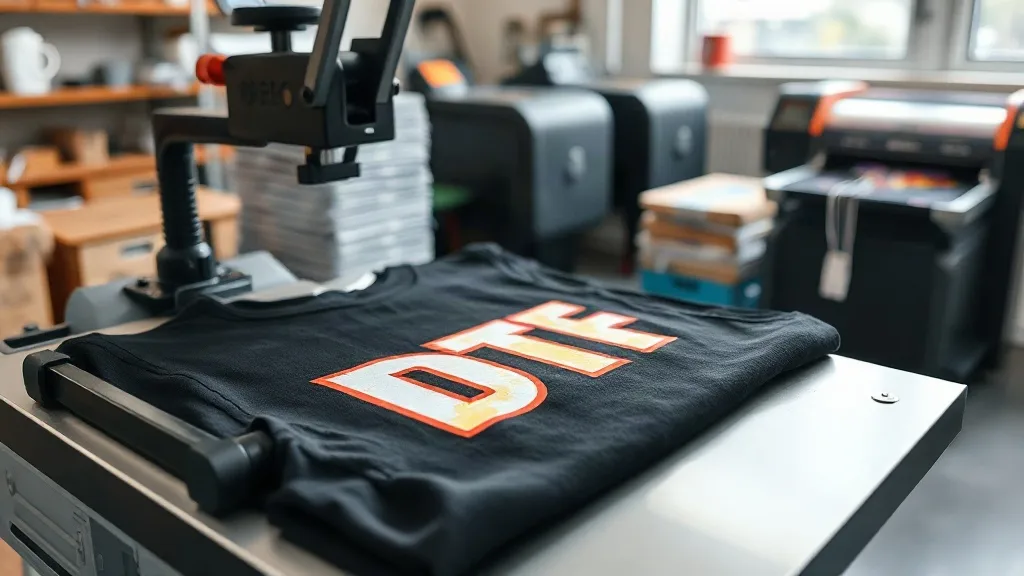
Custom apparel printing has never been more accessible or more exciting, thanks to a game-changing technology: dtf transfers. Whether you're a small business owner looking to offer custom t-shirts, a hobbyist wanting to personalize gifts, or a fashion enthusiast exploring new creative avenues, DTF transfers provide a versatile and cost-effective solution. Unlike traditional methods that require specialized equipment or limit you to certain fabrics, DTF opens up a world of possibilities. In this guide, we'll dive deep into what DTF transfers are, how they work, and why they might be the perfect fit for your next project.
What Are DTF Transfers?
DTF stands for Direct to Film. It's a printing technique where your design is printed onto a special film, coated with a adhesive powder, and then heat-pressed onto the fabric. The result is a vibrant, durable print that can be applied to almost any material, including cotton, polyester, blends, and even leather. Unlike DTG (Direct to Garment) or screen printing, DTF doesn't require pre-treatment or specialized inks for different fabrics. This flexibility makes it a favorite among small businesses and DIY enthusiasts.
The DTF Printing Process Step by Step
Understanding the process helps you appreciate the magic behind DTF transfers. Here's a breakdown:
- Design Preparation: Your artwork is prepared digitally, ensuring it's mirrored and sized correctly.
- Printing: A specialized DTF printer uses CMYK and white inks to print the design onto a PET film. The white ink acts as a base, allowing the colors to pop on dark fabrics.
- Powdering: While the ink is still wet, a hot-melt adhesive powder is applied evenly over the design. Excess powder is shaken off.
- Curing: The film passes through a heat source (often a heat press or oven) to melt the powder, creating a dry, tacky surface.
- Transfer: The film is placed on the fabric and heat-pressed. After cooling, the film is peeled away, leaving the design bonded to the fabric.
Each step is crucial, but with practice, the process becomes second nature. The beauty of DTF is that once the transfers are made, they can be stored and used later, making it ideal for on-demand production.
Why Choose DTF Transfers Over Other Methods?
If you're wondering whether DTF is right for you, consider these advantages:
- Fabric Versatility: Works on cotton, polyester, nylon, leather, and more. No need for multiple techniques.
- No Pre-Treatment: Saves time and money, especially for small batches.
- Vibrant Colors: The white ink base ensures bright, opaque colors even on dark garments.
- Durability: When applied correctly, DTF prints withstand repeated washing without cracking or fading.
- Cost-Effective for Small Runs: No setup fees like screen printing, making it perfect for one-offs or small orders.
- Detailed Designs: Ideal for complex, multi-color graphics with fine details.
These benefits make dtf transfers a top choice for businesses that need flexibility and quality.
DTF vs. Other Printing Methods
How does DTF stack up against DTG, screen printing, and vinyl? Let's compare:
- DTG: Best for 100% cotton, requires pre-treatment, and can be costly for small runs. DTF works on more fabrics and often has lower startup costs.
- Screen Printing: Cost-effective for large orders but expensive for small batches due to setup. DTF shines for small to medium runs.
- Vinyl: Limited to simple designs and single colors. DTF handles full-color, detailed images with ease.
While each method has its place, DTF's versatility makes it a strong contender for anyone wanting high-quality, custom apparel without the limitations.
Getting Started with DTF Transfers
Ready to dive in? Here's what you need:
- DTF Printer: Options range from entry-level to industrial. Choose based on your volume.
- PET Film: Specifically designed for DTF printing.
- Adhesive Powder: Hot-melt powder that bonds the ink to fabric.
- Heat Press: A reliable heat press for consistent temperature and pressure.
- Design Software: Any graphic design tool works, but ensure you can mirror and resize images.
If you're not ready to invest in a printer, you can order pre-made DTF transfers from suppliers. This is a great way to test the waters before committing to equipment.
Tips for Perfect DTF Transfers
To achieve professional results, follow these tips:
- Use High-Quality Film: Cheap film can cause ink bleeding or poor adhesion.
- Control Humidity: Excess moisture can affect powder application. Work in a dry environment.
- Press Settings: Typical settings are 325°F for 15 seconds with medium pressure. Always test with your specific materials.
- Peel Cool: Wait for the transfer to cool completely before peeling for a matte finish, or peel hot for a glossy look.
- Wash Inside Out: To extend the life of your print, wash garments inside out in cold water and avoid harsh detergents.
Common Applications of DTF Transfers
DTF is not just for t-shirts. Its versatility extends to:
- Sportswear: Jerseys, leggings, and jackets with team logos.
- Fashion: Custom jeans, jackets, and accessories.
- Promotional Items: Tote bags, hats, and uniforms.
- Home Decor: Pillows, blankets, and curtains.
The possibilities are endless, limited only by your imagination.
Frequently Asked Questions About DTF Transfers
How long do DTF transfers last?
With proper application and care, DTF transfers can last as long as the garment itself. They resist cracking, peeling, and fading through numerous washes. Following washing instructions is key to longevity.
Can I use DTF transfers on dark fabrics?
Absolutely! DTF uses a white ink base that makes colors vibrant on dark materials. This is one of its biggest advantages over other methods.
Do I need a special printer for DTF?
Yes, DTF requires a printer designed for DTF printing, which uses special inks and a film feed system. However, you can also purchase pre-printed transfers from suppliers if you don't want to invest in a printer.
What's the difference between DTF and DTG?
DTG prints directly onto the garment, while DTF prints onto a film that is then transferred. DTF works on more fabric types and doesn't require pre-treatment, but DTG can be more cost-effective for 100% cotton items in large quantities.
How do I store unused DTF transfers?
Store them in a cool, dry place away from direct sunlight. Keep them flat to avoid creasing. Properly stored transfers can last for months.
Conclusion
DTF transfers are revolutionizing the custom apparel industry by offering unmatched versatility, vibrant results, and cost-effectiveness. Whether you're a business owner or a creative individual, mastering DTF can open up new opportunities. With the right equipment, techniques, and a bit of practice, you'll be producing professional-quality prints in no time. So why wait? Explore the world of DTF transfers today and bring your designs to life.