
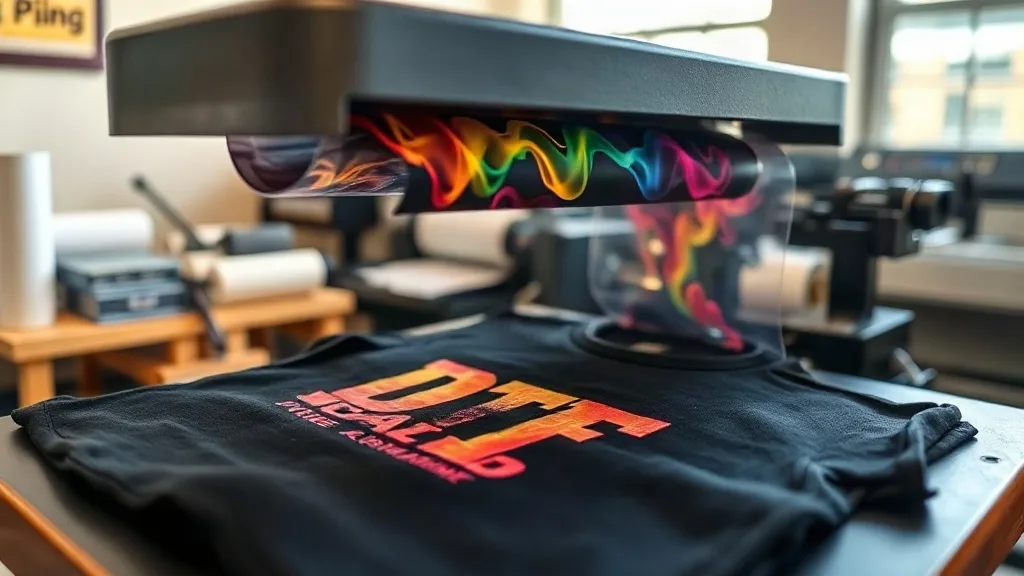
If you have been in the custom apparel game for any length of time, you have probably heard the buzz around dtf printing. It is not just another trend; it is a genuine shift in how small shops and large manufacturers approach decorating garments. Whether you are a hobbyist with a heat press in your garage or a production manager looking to streamline operations, understanding dtf transfers can open up a world of possibilities. In this guide, we will break down exactly what DTF is, why it delivers such impressive results, and how you can use it to create prints that customers love.
What Are DTF Transfers?
DTF stands for Direct to Film. The process involves printing a design onto a special PET film using water-based pigments, then applying a hot-melt adhesive powder to the wet ink. After the powder is cured, the transfer is ready to be pressed onto a garment. When you apply heat and pressure, the adhesive melts and bonds the ink to the fabric, creating a durable, stretchable print.
Unlike DTG (Direct to Garment) printing, which requires the garment to be pretreated and printed directly, DTF transfers are printed separately and can be stored for later use. This decoupling of printing and pressing is a game-changer for workflow flexibility. You can print a batch of transfers on Monday and press them onto shirts on Friday without any loss in quality.
Why DTF Transfers Are Revolutionizing Custom Apparel
The rise of dtf transfers is no accident. They solve several pain points that have plagued garment decorators for years.
1. Unmatched Versatility Across Fabrics
One of the biggest advantages of DTF is its ability to adhere to a wide range of materials. Cotton, polyester, blends, nylon, leather, and even treated wood can all receive a DTF transfer. This is a massive improvement over DTG, which struggles with dark polyester, or vinyl, which can feel stiff and plastic-like. If you have ever tried to print on a 50/50 blend with other methods, you know the frustration of faded or cracked results. DTF handles these with ease.
2. Incredible Durability and Stretch
The hot-melt adhesive used in DTF creates a strong bond that withstands repeated washing. When properly applied, a DTF print will not crack, peel, or fade even after dozens of cycles. The ink layer remains flexible, so it moves with the fabric without feeling like a heavy patch. This stretchability is particularly important for performance wear and athletic jerseys, where the garment needs to flex during movement.
3. No Pretreatment, No Weeding
If you have spent hours weeding tiny details from heat transfer vinyl, you will appreciate that DTF requires no weeding at all. The design is printed and powdered, and you simply press it. There is also no need to pretreat the garment, which saves time and avoids the messy chemicals associated with DTG. This simplicity makes DTF accessible to beginners while still being efficient for large shops.
4. Vibrant Colors on Any Background
DTF prints are opaque, meaning they show up brilliantly on both light and dark garments. You do not need a white underbase or special ink sets. The white ink layer is printed as part of the design, ensuring that colors pop regardless of the fabric color. This is a huge advantage for anyone who wants to offer a wide variety of shirt colors without stocking multiple ink systems.
How to Apply DTF Transfers for Professional Results
Getting a flawless DTF transfer is not complicated, but it does require attention to a few key variables. Here is a step-by-step guide to help you achieve consistent, professional-quality prints.
Step 1: Prepare Your Heat Press
Set your heat press to the recommended temperature, typically between 300°F and 325°F (150°C to 160°C). Pre-press the garment for a few seconds to remove moisture and wrinkles. This step is crucial because any moisture can interfere with the adhesive bond.
Step 2: Position the Transfer
Place the DTF transfer on the garment with the printed side facing up. If your transfer has a clear carrier film, the design should be visible through it. Make sure it is positioned exactly where you want it; once pressed, it cannot be repositioned.
Step 3: Press with Medium to Heavy Pressure
Apply medium to heavy pressure for 10 to 15 seconds. The pressure ensures that the adhesive fully contacts the fabric fibers. Too little pressure and the transfer may not adhere properly; too much and the design could spread or lose detail. Find the sweet spot with your press and document it for consistency.
Step 4: Peel Cool or Hot?
Most DTF transfers are designed for a cold peel. After pressing, allow the transfer to cool completely before peeling off the carrier film. This gives the adhesive time to set and prevents the ink from stretching or distorting. Some newer films are hot-peel, so always check the instructions from your supplier.
Step 5: Post-Press for Extra Durability
For added wash resistance, you can cover the printed area with a Teflon sheet or parchment paper and press for another 5 to 10 seconds. This second press further embeds the ink into the fabric and smooths out any texture.
Common Mistakes to Avoid with DTF Transfers
Even though DTF is forgiving, a few missteps can ruin your results. Watch out for these pitfalls:
- Using too low temperature: The adhesive won't melt fully, leading to peeling after washing.
- Skipping pre-press: Moisture in the fabric can cause steam pockets that prevent proper adhesion.
- Peeling too soon: If you peel while hot, the design may stretch or leave ink behind on the film.
- Not storing transfers properly: Keep unused transfers in a cool, dry place away from direct sunlight to prevent the adhesive from activating prematurely.
DTF vs. Other Decoration Methods: A Quick Comparison
How does DTF stack up against the competition? Here is a side-by-side look at the most common alternatives.
- DTF vs. DTG: DTF works on more fabrics, requires no pretreatment, and produces more durable prints on polyester. DTG can be faster for single cotton items but struggles with dark colors.
- DTF vs. Vinyl: DTF offers full-color, photographic designs with no weeding, while vinyl is limited to solid colors and simple shapes. DTF also feels softer and stretches better.
- DTF vs. Screen Printing: Screen printing is cost-effective for large runs of one design, but DTF wins for small batches, multi-color designs, and quick turnaround. DTF also has no setup costs.
Choosing the Right DTF Supplies
Not all DTF films and powders are created equal. The quality of your supplies directly impacts the final product. Look for films that are coated evenly to ensure consistent ink release. The powder should be fine and uniform; clumpy powder leads to uneven adhesive distribution. It is also wise to test different brands to find the combination that works best with your printer and press.
When you are ready to dive in, you can find high-quality dtf transfers and supplies from reputable vendors. Investing in good materials from the start will save you time and frustration down the road.
Frequently Asked Questions About DTF Transfers
How long do DTF transfers last?
With proper application and care, DTF transfers can last as long as the garment itself. They withstand normal washing and wearing without cracking or fading. To maximize longevity, wash inside out in cold water and avoid harsh detergents or high heat in the dryer.
Can I use DTF transfers on dark shirts?
Absolutely. DTF transfers include a white ink layer that makes colors opaque, so they show up vividly on black, navy, and other dark fabrics. You do not need to adjust your design or use special inks.
Do I need a special printer for DTF?
Yes, DTF printing requires a printer that uses DTF ink and can handle PET film. Many converted Epson printers are popular for this purpose. You also need a heat press and adhesive powder. However, if you do not want to print yourself, you can order pre-printed transfers from a supplier.
What is the best temperature for pressing DTF transfers?
Most DTF transfers press best at 300°F to 325°F (150°C to 160°C) for 10 to 15 seconds with medium to heavy pressure. Always follow the specific recommendations from your transfer supplier, as formulations can vary.
Can I stretch a DTF print?
Yes, DTF prints are flexible and can stretch with the fabric without cracking. This makes them ideal for athletic wear and garments that need to move with the body.
DTF transfers have truly leveled the playing field in custom apparel. Whether you are a small business owner or a DIY enthusiast, this technology offers a reliable, versatile, and cost-effective way to bring your designs to life. With the right supplies and a bit of practice, you will be producing professional-quality garments in no time.