
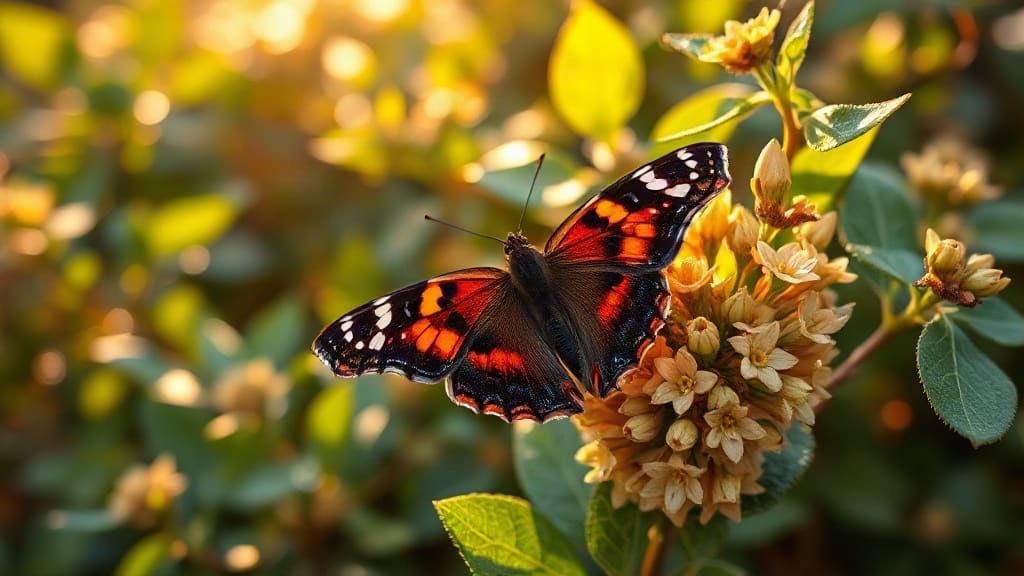
Summer has faded, most flowers have long since gone to seed, and by late September many of us assume the butterfly year is over. Yet across Britain, gardens, hedgerows and brownfield sites are still flickering with wings. After one of the strongest butterfly seasons this century, the coming weeks of autumn sunshine could stretch the spectacle even further, allowing more species to squeeze in an extra generation before the cold finally settles in.
This is not just a pleasant surprise for wildlife watchers. It is a signal of how flexible some insects can be when the weather allows, and a reminder that the British butterfly season is rarely as tidy as the calendar suggests.
Why 2026 Has Been a Bumper Year for Butterflies
The season got off to a strong start. A mild spring and early warmth helped many species emerge on time or even ahead of schedule, while a summer that avoided the worst of the prolonged drought and deluge that has hit some recent years gave caterpillars and adults a better chance to thrive. The result has been one of the best butterfly years Britain has seen this century.
That does not mean every species is booming. Some specialists, particularly those tied to ancient woodland or rare chalk grassland, remain in long-term decline. But the broader picture has been encouraging, with common garden favourites and mobile migrants making the most of the conditions. The season has been good enough that the usual late-summer wind-down has not yet happened everywhere.
The Extra Generation: How Autumn Sunshine Changes the Game
Butterflies are cold-blooded, so their activity is dictated almost entirely by temperature and daylight. In a typical British year, most species have a fixed number of generations. Some, like the brimstone, produce one main brood; others, such as the small tortoiseshell, may manage two in a good summer. But when autumn stays warm and sunny, a few species can attempt an additional brood before winter.
This is where the current spell of autumn sunshine matters. Species such as the red admiral, comma and speckled wood are flexible. They do not follow a rigid calendar. If nectar remains available and temperatures stay high enough for flight, they can mate, lay eggs and produce a late generation that will overwinter as caterpillars or adults, depending on the species.
The red admiral is a particularly interesting case. Once considered a summer migrant that rarely survived a British winter, it is now increasingly seen in autumn and even on mild winter days. A warm autumn can allow it to breed here later in the year, blurring the line between migrant and resident. The comma, too, has become more abundant in recent decades, and a late flush of sunshine can help its second brood push further north.
What the Butterflies Need Right Now
An extra generation is not guaranteed just because the sun is out. Butterflies need three things in autumn: nectar, warmth and suitable plants for their caterpillars. Late-flowering plants such as ivy, buddleia, sedum and aster are vital. Ivy is especially important because it flowers late and offers a rich source of sugar when most other blooms have finished.
Warmth matters just as much. Butterflies cannot fly if their body temperature drops too low, so they need sunny, sheltered spots to bask. A south-facing hedge, a warm wall or a patch of long grass can make the difference between a butterfly finding a mate and simply running out of time. If the weather turns cold and wet in October, the window closes quickly.
Which Species Might Benefit Most
Not every butterfly can take advantage of a late season. Species that overwinter as eggs or pupae are less likely to produce an extra brood, because their life cycle is already locked into the shortening days. But several common and widespread species are more opportunistic.
- Red admiral: A strong autumn flyer that can breed late if nectar is available. Increasingly seen in winter.
- Comma: A woodland edge and garden butterfly with a flexible second brood. Late sun can help it extend its range.
- Speckled wood: A shade-tolerant species that can be active into October in mild conditions. It may produce overlapping generations.
- Small white and large white: These garden butterflies can have multiple broods and may continue laying eggs while temperatures allow.
- Painted lady: A migrant that can arrive in waves. A warm autumn may allow late arrivals to breed before they die.
Meanwhile, species such as the purple emperor or the silver-spotted skipper are unlikely to benefit. Their life cycles are finely tuned to specific habitats and host plants, and they have little room to manoeuvre when the seasons shift.
The Bigger Picture: Climate, Weather and Long-Term Trends
It would be easy to see a bumper butterfly year and assume all is well. The reality is more complicated. Butterfly populations fluctuate naturally from year to year, and a single good season does not reverse decades of decline. Habitat loss, pesticide use and climate change continue to press hard on many species. What a good year does show is that when conditions align, butterflies can respond quickly.
Warmer autumns are part of a broader pattern. As the UK’s climate warms, the flight seasons of many insects are shifting. Some species are emerging earlier, some are flying later, and some are producing more generations than they did a century ago. This can be a lifeline for adaptable species, but it can also create problems. A late brood may be caught out by a sudden frost, or its caterpillars may hatch when their food plants have already died back.
For gardeners and wildlife watchers, the lesson is simple: what happens in autumn matters. A garden that offers nectar into October and November, and that leaves some wilder corners undisturbed, can become a crucial refuelling stop. Even a single late-flowering shrub can help a butterfly build up reserves for winter.
How to Help Butterflies This Autumn
You do not need a large garden or a meadow to make a difference. Small actions can add up.
- Leave ivy to flower and berry. It is one of the best late nectar sources in Britain.
- Plant late-blooming perennials such as sedum, aster and helenium.
- Avoid cutting back everything in autumn. Seed heads and hollow stems provide shelter for overwintering insects.
- Provide a sunny, sheltered spot. A warm wall or a south-facing border helps butterflies bask.
- Record what you see. Citizen science schemes rely on autumn sightings to track how seasons are changing.
It is also worth remembering that butterflies are not the only insects on the wing. Late bees, hoverflies and moths all benefit from the same mild, nectar-rich conditions. A garden that supports one group tends to support many.
What Happens Next?
If the sunshine holds, we could see butterflies on the wing into late October and perhaps even November in the mildest parts of southern England. Red admirals are the most likely candidates, along with commas and the occasional painted lady. But a sharp cold snap or a week of heavy rain can end the season abruptly. There is no guarantee.
That uncertainty is part of what makes autumn watching so rewarding. Every sunny day could bring a surprise, whether it is a freshly emerged comma basking on a fence post or a red admiral nectaring on ivy. The bumper year of 2026 may be winding down, but it is not over yet.
Frequently Asked Questions
What does it mean when butterflies have an extra generation?
It means that instead of stopping breeding at the end of summer, some species manage to mate and lay eggs again in autumn. This can happen when temperatures stay warm and nectar is still available. The offspring may overwinter as eggs, caterpillars or adults, depending on the species.
Which butterflies are most likely to be seen in autumn in the UK?
Red admirals, commas, speckled woods and small tortoiseshells are among the most common autumn butterflies. Migrant painted ladies can also appear. Late-flowering ivy is a good place to look, especially on warm, sunny afternoons.
Is a bumper butterfly year a sign that butterfly populations are recovering?
Not necessarily. Butterfly numbers naturally rise and fall from year to year. A good season can boost local populations, but long-term declines driven by habitat loss and climate change continue for many species. One good year is welcome, but it does not undo decades of pressure.
How can I help butterflies in my garden during autumn?
Leave ivy to flower, plant late-blooming perennials, avoid cutting back all dead stems until spring, and provide a sunny, sheltered spot for basking. Even a small balcony can help if it offers nectar and warmth.
Will climate change mean more autumn butterflies in the future?
It could, for adaptable species. Warmer autumns may allow more generations and longer flight seasons. However, climate change also brings risks such as droughts, storms and mismatches between butterflies and their food plants. The outcome will vary from species to species and place to place.