
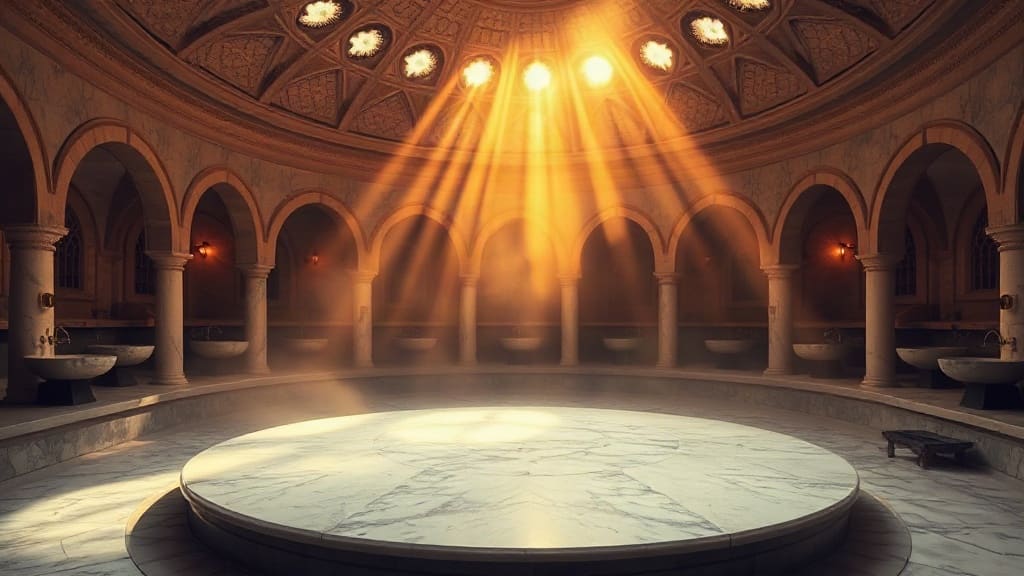
Stepping into a turkish bath is like walking through a portal to another era. The warm marble, the echo of water droplets, and the soft filtered light create an atmosphere that instantly slows your breathing. For centuries, this ritual has been a cornerstone of social life and personal wellness in many cultures. Today, it offers a unique escape from modern stress, combining deep cleansing with profound relaxation. Whether you are a seasoned spa-goer or simply curious, understanding the hammam tradition can transform your approach to self-care.
The Rich History Behind the Hammam
The story of the turkish bath begins long before the Ottoman Empire. Its roots trace back to Roman and Byzantine bathing traditions, which emphasized communal bathing and hygiene. When the Ottomans arrived, they merged these practices with Islamic principles of cleanliness, giving birth to the hammam as we know it. These spaces became more than just places to wash; they were social hubs, architectural marvels, and even venues for important life events like pre-wedding celebrations.
Architecturally, a traditional hammam is a masterpiece of design. The central heated platform, known as the göbek taşı, sits under a dome pierced with small glass openings that cast star-like patterns of light. The surrounding rooms offer varying temperatures, from the warm transition area to the intensely hot main chamber. This careful engineering, perfected over centuries, creates a unique microclimate that promotes sweating and relaxation without the harsh dry heat of a sauna.
The Evolution into Modern Wellness
While the core elements remain, the modern turkish bath has adapted to contemporary needs. Many luxury spas now incorporate hammams with updated materials, aromatherapy, and personalized services. However, the essence remains unchanged: a full-body ritual that cleanses, exfoliates, and rejuvenates. This blend of ancient tradition and modern comfort is part of what makes the experience so appealing today. It offers a tangible connection to history while delivering undeniable physical benefits.
What Happens Inside a Turkish Bath?
For first-timers, the sequence of a hammam visit can be a delightful mystery. It typically follows a structured yet unhurried flow designed to prepare the body gradually. Knowing what to expect can help you relax and fully embrace the ritual.
The Warm-Up Phase
Your journey begins in a warm room, often called the sogukluk or camekan. Here, you undress and wrap yourself in a traditional cotton cloth called a pestemal. You then move to a warmer chamber where your body temperature begins to rise. This initial phase is crucial; it opens your pores and prepares your muscles for the deeper heat. You might rest on a marble bench, letting the ambient warmth seep into your skin. This is not a race; taking your time here sets the tone for the entire experience.
The Heated Platform and Steam
After this gentle warm-up, you enter the main hot room, the hararet. In the center lies the large, heated marble slab, the göbek taşı. Lying on this warm stone is one of the most iconic aspects of the turkish bath. The heat radiates through your back, relaxing tense muscles and encouraging a deep, cleansing sweat. The room is filled with steam, but it is a humid, enveloping heat rather than a dry, harsh one. You can stay here for as long as is comfortable, allowing your body to fully acclimate.
The Exfoliating Kese and Foam Massage
The next step is the heart of the hammam ritual. An attendant, known as a tellak for men or a natir for women, uses a coarse mitt called a kese to vigorously scrub your entire body. This process removes layers of dead skin cells, leaving your skin incredibly smooth and soft. It might feel intense at first, but it is highly effective. Following the scrub, you are rinsed with warm water before being enveloped in a cloud of luxurious foam. This foam massage, using a special cloth and olive oil soap, is deeply relaxing. The attendant kneads your muscles, easing tension and improving circulation. This combination of exfoliation and massage is what sets the hammam apart from other spa treatments.
The Health Benefits of the Hammam Ritual
Beyond the immediate sensation of cleanliness, a turkish bath offers a range of health benefits that contribute to overall well-being. These benefits are both physical and mental, making it a holistic practice.
- Deep Cleansing: The steam and exfoliation remove impurities and dead skin cells far more effectively than a regular shower.
- Improved Circulation: The heat causes blood vessels to dilate, improving blood flow and oxygen delivery to tissues.
- Muscle Relaxation: The warmth and massage help release tension and soothe sore muscles, reducing stiffness.
- Stress Reduction: The quiet, warm environment and focused attention promote a meditative state, lowering cortisol levels.
- Respiratory Relief: The humid air can help clear sinuses and ease breathing, beneficial for those with mild congestion.
- Skin Health: Regular exfoliation can improve skin texture, unclog pores, and promote a healthy glow.
These benefits are not just anecdotal; many people report improved sleep, reduced stress, and a general sense of renewal after regular hammam visits. It is a practice that supports both body and mind in a uniquely nurturing way.
Finding an Authentic Turkish Bath Near You
If you are now eager to experience this ritual, your first step is to search for a turkish bath near me. The availability of authentic hammams has grown significantly, especially in larger cities and wellness-focused communities. However, not all facilities offering "Turkish bath" services are created equal. Some may be modern spas with a steam room and a scrub, lacking the traditional architecture and atmosphere. Others may be truly authentic, preserving the historical elements.
What to Look For in a Quality Hammam
When searching for a turkish bath near me, pay attention to a few key details. Look for reviews that mention traditional elements like a heated marble platform, a separate hot room, and attendants who perform the kese scrub. Photos can also be telling; authentic hammams often feature classic domed ceilings, marble interiors, and traditional pestemal towels. The presence of both a warm and hot room is a good sign. Also, consider the services offered. A genuine hammam experience should include the scrub and foam massage as standard, not as expensive add-ons.
Questions to Ask Before Booking
To ensure you get the experience you are hoping for, do not hesitate to ask the facility a few questions. Inquire about the temperature of the hot room and whether they use a traditional kese mitt. Ask if the attendants are trained in the traditional methods. Find out if the facility is gender-segregated or offers private sessions, depending on your preference. A reputable establishment will be happy to answer these questions and help you prepare for your visit.
Preparing for Your First Hammam Visit
Knowing how to prepare can make your first turkish bath experience much more enjoyable. It is a simple process, but a little forethought goes a long way.
What to bring: Most hammams provide a pestemal, slippers, and sometimes a small bowl for rinsing. You will likely want to bring your own toiletries for after the bath, such as shampoo, conditioner, and moisturizer. A change of clothes is essential. While some facilities provide soap, you might prefer to bring your own if you have sensitive skin. Do not forget a water bottle to stay hydrated.
What to wear: You will wear a pestemal or swimsuit during the bath. Men typically wear a pestemal around the waist, while women often wear a two-piece pestemal or a swimsuit bottom and a pestemal top. The goal is modesty and comfort. You will be barefoot, so the provided slippers are important for navigating the wet floors.
Etiquette and customs: The hammam is a place of quiet relaxation. Speak softly and avoid loud conversations. It is customary to rinse off before entering the hot room. During the scrub, communicate with your attendant about pressure preferences. Tipping is often appreciated for good service. Most importantly, be respectful of the space and other bathers.
The Social and Cultural Significance Today
Beyond personal wellness, the turkish bath remains a vital social institution in many cultures. For centuries, it has been a place where friends gather, news is exchanged, and bonds are strengthened. Mothers would traditionally visit the hammam to assess potential brides for their sons. Women would celebrate the birth of a child with a special hammam ritual. This social function persists today, though it has evolved. Many people still visit the hammam with friends or family, making it a shared experience that deepens relationships.
In a world that is increasingly digital and isolated, the hammam offers a rare opportunity for face-to-face connection in a relaxed setting. It is a place where time seems to slow down, allowing for genuine conversation and shared relaxation. This communal aspect is a significant part of the hammam's enduring appeal. It is not just about getting clean; it is about connecting with others and with a tradition that spans generations.
Why the Turkish Bath Remains Relevant
The enduring popularity of the turkish bath is no accident. In an era of high-tech wellness gadgets and quick-fix treatments, the hammam offers something profoundly simple and effective. It is a low-tech, high-touch ritual that delivers tangible results. The combination of heat, steam, exfoliation, and massage works on multiple levels to promote health and relaxation. There is a reason this practice has survived for over a thousand years: it works.
Moreover, the hammam experience is deeply human. It involves touch, warmth, and personal attention, elements that are often missing from modern life. The feeling of being cared for by an attendant, the sensation of warm water on your skin, and the quiet camaraderie of fellow bathers all contribute to a sense of well-being that goes beyond the physical. It is a holistic reset for body and soul.
Frequently Asked Questions
How often should I visit a Turkish bath?
The frequency of visits depends on your skin type and personal preference. For most people, once a month is sufficient to maintain the benefits without over-exfoliating. If you have sensitive skin, you might space visits further apart. Listen to your body; if your skin feels irritated, reduce the frequency.
What is the difference between a Turkish bath and a sauna?
The main difference is the type of heat. A sauna uses dry heat with very low humidity, while a turkish bath uses humid, steamy heat. The hammam also includes a full ritual of exfoliation and washing, whereas a sauna is typically just a heat room. The hammam experience is more social and involves attendants, while a sauna is often a solitary activity.
Can anyone use a Turkish bath?
Most healthy adults can enjoy a turkish bath. However, it is not recommended for pregnant women, people with heart conditions, high blood pressure, or certain skin conditions. Always consult your doctor if you have any health concerns. Children can also enjoy the hammam, but they should be supervised and may find the heat intense.
What should I avoid doing before a Turkish bath?
Avoid eating a heavy meal right before your visit. It is also wise to avoid alcohol and excessive caffeine, as they can dehydrate you. Drink plenty of water before and after to stay hydrated. Do not shave immediately before the scrub, as your skin may be more sensitive.
Is it normal to feel lightheaded in the hot room?
It can happen, especially if you are not used to the heat. If you feel lightheaded, leave the hot room immediately and rest in a cooler area. Drink water and splash cool water on your face. Always listen to your body and do not push yourself to stay longer than is comfortable.
Embracing the turkish bath is more than just adding a spa treatment to your routine. It is an invitation to slow down, to reconnect with your body, and to participate in a tradition that has brought people together for centuries. Whether you seek physical cleansing, mental relaxation, or a deeper cultural connection, the hammam offers a timeless path to well-being. So go ahead, search for a turkish bath near me, and step into a world of steam, marble, and serenity.