
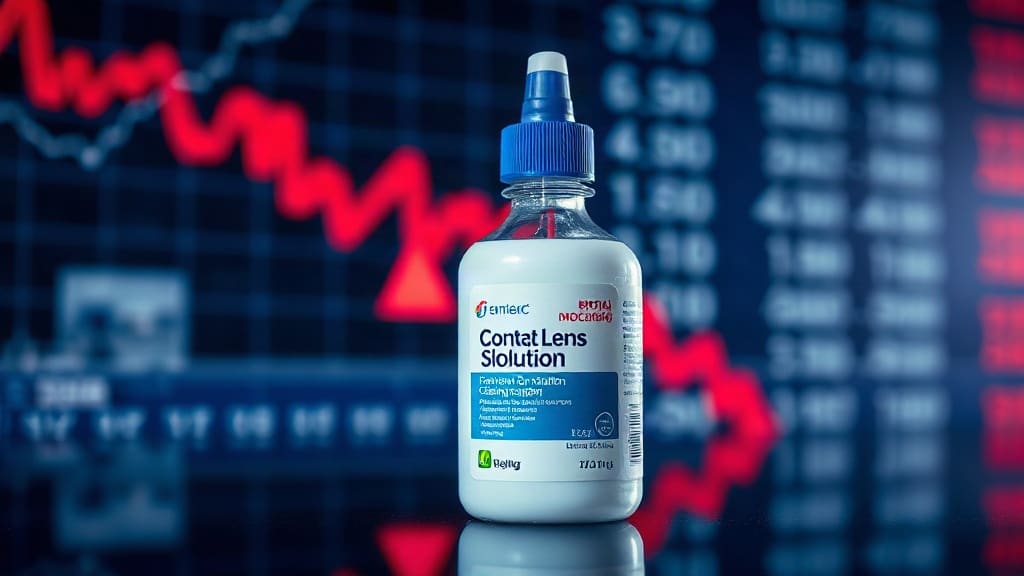
Investors sent a clear message on Monday: product safety concerns can hit a company's valuation hard, even for a retail giant known more for trendy apparel than healthcare items. Shein shares fell as much as 10% in Hong Kong trading after regulators in Australia and New Zealand announced an urgent recall of a contact-lens cleaner sold through the platform, citing potential microbial contamination that could lead to serious eye infections.
The recall, first flagged by Australian consumer authorities, applies to a product marketed as a convenient and affordable solution for cleaning soft contact lenses. New Zealand's product safety watchdog followed suit within hours, widening the alert and urging consumers to stop using the item immediately. For Shein, which has been working hard to polish its reputation ahead of a potential London listing, the incident lands at a particularly sensitive moment.
What Exactly Was Recalled and Why
The product in question is a contact-lens cleaning solution sold by third-party merchants on Shein's marketplace. While Shein does not manufacture the item itself, the company's platform facilitated its sale to consumers in at least two countries. Regulators found that the solution did not meet sterility standards, and laboratory tests indicated the presence of bacteria that can cause keratitis, a painful corneal infection that, in severe cases, leads to vision loss.
Australian authorities issued the recall under their mandatory reporting system for consumer goods, noting that the product lacked proper labeling and instructions for safe use. New Zealand's Commerce Commission echoed those concerns, adding that the product's packaging resembled that of reputable brands, which could mislead consumers about its origin and safety. Both agencies advised anyone who purchased the cleaner to dispose of it and seek medical advice if they experience redness, pain, or blurred vision.
Market Reaction: A 10% Slide With Broader Implications
Shein's stock, which trades on the Hong Kong exchange under a ticker that has become synonymous with fast fashion's global ambitions, dropped sharply in early trading. The 10% decline wiped out a significant chunk of the company's market value and underscored how quickly investor sentiment can sour when a consumer safety issue emerges. Analysts noted that while the recalled product is a tiny fraction of Shein's overall sales, the reputational damage could be outsized.
“This is not about the revenue impact of one contact-lens cleaner,” said a Hong Kong-based retail analyst who asked not to be named. “It's about trust. Shein has spent years building a supply chain and marketplace model that prioritizes speed and low prices. If consumers start to question the safety of products sold on the platform, that undermines the entire value proposition.”
Indeed, Shein's rapid growth has been fueled by an ultra-lean inventory model and a vast network of small suppliers. While this approach keeps costs down, it also makes quality control more challenging. Unlike traditional retailers that vet every product before it hits shelves, Shein's marketplace relies heavily on seller self-certification and automated checks. The recall suggests those checks may have missed a potentially dangerous product.
Regulatory Scrutiny Intensifies
The recall comes as Shein faces increasing regulatory pressure in multiple markets. In the European Union, the company has been designated as a “very large online platform” under the Digital Services Act, which imposes stricter obligations for product safety and transparency. In the United States, lawmakers have raised questions about Shein's use of a tariff exemption that allows low-value packages to enter the country duty-free, a practice critics say gives the company an unfair advantage and makes it harder to inspect goods.
Australia and New Zealand, while smaller markets, are known for their rigorous product safety regimes. Their swift action in this case signals that regulators are willing to hold platforms accountable for third-party sales, even when the platform itself is not the manufacturer. For Shein, this could mean increased compliance costs and a need to invest more heavily in proactive monitoring of listings.
What This Means for Consumers
For consumers, the recall is a stark reminder that not all products sold on online marketplaces meet the same safety standards as those from established retailers. Contact-lens care is particularly sensitive because the eye is vulnerable to infections that can progress rapidly. Ophthalmologists have long warned against using unapproved or poorly manufactured lens solutions, as the consequences can be severe.
If you have purchased a contact-lens cleaner from Shein or any other online marketplace, check the product against the recall list published by Australian and New Zealand authorities. Even if the product looks clean and the packaging appears professional, do not use it if it is subject to recall. Instead, follow the disposal instructions and contact the seller or platform for a refund. If you experience any eye discomfort, see an eye care professional immediately.
Shein's Response and Next Steps
Shein said in a statement that it takes product safety seriously and has removed the recalled item from its platform. The company added that it is cooperating with regulators and reviewing its seller vetting processes to prevent similar incidents. However, the statement did not address how the product passed initial checks or whether other items from the same seller might also be problematic.
Moving forward, Shein will likely face pressure to demonstrate concrete improvements in its safety protocols. Investors will be watching for signs that the company is investing in better screening technology, more human review, and stronger penalties for sellers who violate safety rules. The recall may also accelerate Shein's efforts to diversify its product categories away from health-related items, where regulatory risks are higher.
Broader Lessons for E-commerce Platforms
The Shein recall is not an isolated event. Online marketplaces around the world have struggled to balance rapid growth with consumer protection. Amazon, eBay, and Alibaba have all faced similar challenges, and each has responded with varying degrees of success. The common thread is that platforms can no longer claim to be mere intermediaries when their algorithms and fulfillment systems actively shape what consumers buy.
For investors, the incident highlights the importance of evaluating a company's risk management practices, not just its revenue growth. A platform that grows quickly but fails to invest in safety may face recurring regulatory fines, legal liabilities, and reputational damage that erode long-term value. Shein's 10% share drop is a tangible reminder that these risks are real and can materialize suddenly.
What to Watch Next
In the coming weeks, several developments will determine whether this recall is a one-off event or a sign of deeper problems at Shein. First, will regulators in other countries issue similar recalls for the same product? Second, will Shein disclose more details about the seller and its vetting process? Third, will the company announce new safety measures that satisfy both regulators and investors?
For now, the market has spoken: trust is fragile, and safety lapses carry a heavy price. Shein's leadership will need to move quickly and transparently to restore confidence. Otherwise, the next product safety scare could be even more costly.
Frequently Asked Questions
Why did Shein shares drop 10%?
Shein shares fell as much as 10% in Hong Kong trading after Australia and New Zealand recalled a contact-lens cleaner sold on the platform due to contamination risks. The recall raised concerns about product safety oversight and potential reputational damage, prompting investors to sell.
What is the recalled contact-lens cleaner?
The recalled product is a contact-lens cleaning solution sold by third-party sellers on Shein's marketplace. Regulators found it did not meet sterility standards and could cause serious eye infections. The product has been removed from Shein's platform, and consumers are advised to stop using it immediately.
How does this recall affect Shein's reputation?
The recall undermines Shein's reputation for quality control, even though the product was sold by a third party. It raises questions about the effectiveness of Shein's seller vetting and product monitoring systems. The company may face increased regulatory scrutiny and higher compliance costs in multiple markets.
What should I do if I bought the recalled contact-lens cleaner from Shein?
If you purchased the recalled cleaner, stop using it immediately and dispose of it according to local guidelines. Contact Shein for a refund and monitor your eye health. If you experience redness, pain, blurred vision, or other symptoms, seek medical attention promptly.
Will this incident delay Shein's planned stock listing?
It is too early to say whether the recall will delay Shein's potential London listing, but it could complicate the process. Regulators may ask for additional disclosures about product safety practices, and investor sentiment may remain cautious. The company will need to demonstrate robust risk management to proceed successfully.