
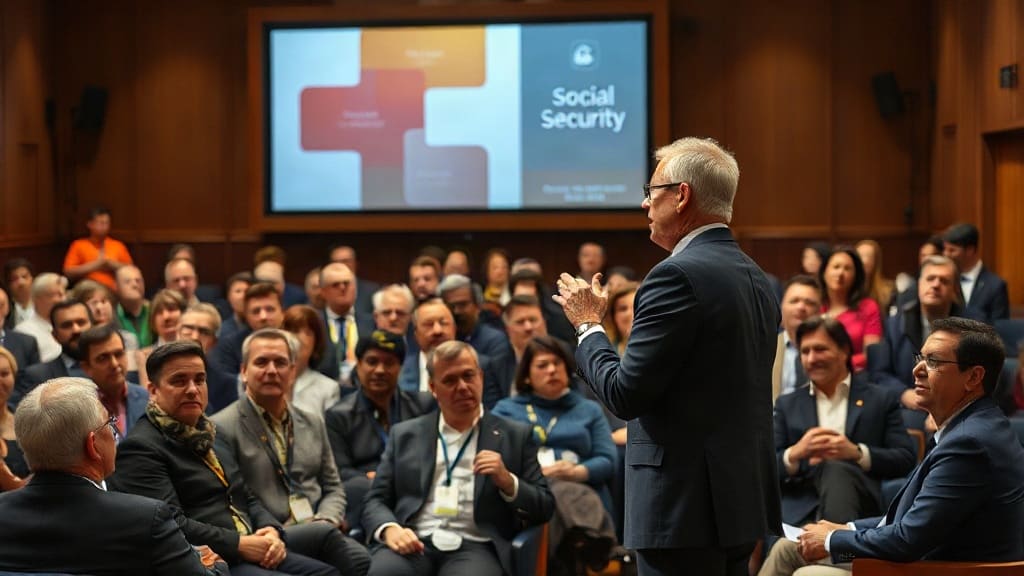
At the Labour Party conference in Liverpool, Pat McFadden, the Work and Pensions Secretary, made a direct appeal to party activists: do not defend the current benefits system. His message was blunt. The status quo, he argued, effectively writes off claimants by trapping them in a cycle of dependency rather than helping them into work. The speech, delivered to a packed hall, marked a significant moment in the ongoing debate over welfare reform within the party and beyond.
McFadden's intervention comes at a time when the cost of living crisis and post-pandemic labour market shifts have put the social security system under intense scrutiny. His words were not just a policy statement but a challenge to Labour's grassroots, many of whom have historically resisted cuts or conditionality. By framing the current system as fundamentally flawed, he sought to shift the conversation from defending the status quo to designing a better alternative.
The Core of McFadden's Argument
McFadden's central claim is that the benefits system, as it stands, is not working for those it is meant to serve. He pointed out that too many people are left without a realistic path back to employment, and that this represents a failure not just of policy but of imagination. The system, he suggested, has become a holding pen rather than a launchpad.
He emphasised that Labour must be the party of work, not just welfare. That means not only providing a safety net but also removing the barriers that keep people out of the labour market. These barriers include inadequate childcare, a lack of flexible jobs, and skills gaps that have widened since the pandemic. McFadden argued that a reformed system should focus on enabling work, not just managing unemployment.
The secretary of state also addressed the financial sustainability of the current approach. With an ageing population and rising health-related inactivity, the costs of the benefits bill are projected to climb. Simply pouring more money into a broken system, he warned, is not a long-term solution. Instead, he called for a fundamental rethink that aligns welfare with the realities of the modern economy.
Why This Matters Now
The timing of McFadden's remarks is significant. Labour is preparing for a general election, and welfare reform is likely to be a key battleground. The party has been criticised in the past for being unclear on how it would fund public services while also supporting economic growth. By taking a firm stance on benefits, McFadden is signalling that Labour is serious about reform, not just spending.
Moreover, the UK's employment landscape has changed dramatically. The rise of insecure work, the gig economy, and long-term sickness have created new challenges. The old binary of employed versus unemployed no longer captures the complexity of people's lives. McFadden's call to move beyond the status quo reflects a recognition that the social security system must adapt to these new realities.
Within the Labour movement, his words may spark debate. Some activists worry that any talk of reform is a precursor to cuts. McFadden sought to preempt that criticism by stressing that reform is about lifting people up, not cutting them off. He insisted that a Labour government would invest in support services, training, and job creation alongside any changes to benefits.
Reactions from Activists and Experts
The response from the conference floor was mixed. Some delegates welcomed the honesty, seeing it as a necessary step to win back trust on economic competence. Others expressed concern that the language of 'writing off' claimants could stigmatise those who genuinely cannot work. McFadden's team later clarified that the intention was to criticise the system, not the individuals within it.
Policy experts have noted that similar arguments have been made across the political spectrum. The idea of a 'welfare to work' system is not new, but the emphasis on personalised support and tackling structural barriers is a shift from the punitive approach of the past. Think tanks like the Resolution Foundation have long argued for a more active welfare state that helps people navigate transitions.
However, critics point out that without significant investment, reform could become a cost-cutting exercise in disguise. They argue that the root causes of worklessness, such as poor health and lack of affordable childcare, must be addressed first. McFadden acknowledged these concerns but insisted that the current system is failing on its own terms.
What Could Reform Look Like?
While McFadden did not announce specific policies, his speech hinted at several directions. One is a greater focus on tailored support for those with health conditions or caring responsibilities. Another is to simplify the benefits system, which is often criticised for being overly complex and difficult to navigate. Universal Credit, for example, has faced ongoing issues with delays and deductions.
There is also talk of expanding childcare provision and improving access to training. These are seen as essential to making work pay, especially for parents and older workers. McFadden's emphasis on 'how' rather than just 'what' suggests that implementation will be key. He mentioned that Louise Casey is conducting a review, which will inform the party's plans.
Any reform will need to balance conditionality with compassion. The risk is that tougher requirements could push vulnerable people further away from the labour market. Getting this balance right will be crucial for Labour's credibility.
The Political Tightrope
Labour is walking a tightrope. On one hand, it must appeal to swing voters who may be sceptical about welfare spending. On the other, it cannot alienate its core supporters who value social justice. McFadden's speech was an attempt to bridge that gap by framing reform as a progressive cause.
This is not without risk. The Conservatives have already seized on the comments, accusing Labour of planning cuts. Meanwhile, some on the left fear that the party is abandoning its commitment to a robust safety net. McFadden's challenge will be to convince both sides that his vision is not about less support, but about better support.
The coming weeks will see more details emerge, particularly when Andy Burnham, the Mayor of Greater Manchester, addresses the conference. Burnham has been a vocal advocate for radical devolution and may push for even bolder changes. His speech on Tuesday is highly anticipated, especially regarding adult social care.
Broader Implications for Health and Work
The link between health and employment is central to this debate. Long-term sickness is a major driver of economic inactivity, and the NHS backlog has exacerbated the problem. A reformed benefits system must therefore integrate with health services to help people manage conditions while remaining in or returning to work.
McFadden's department is expected to work closely with the Department of Health and Social Care. This could mean more funding for occupational health, mental health support, and rehabilitation. The goal is to prevent people from falling out of work in the first place, rather than just processing claims after the fact.
Public health experts argue that a preventive approach is more cost-effective in the long run. By investing in early intervention, the government could reduce the number of people who need long-term benefits. This aligns with McFadden's vision of a system that enables rather than writes off.
Conclusion: A Defining Moment
Pat McFadden's speech may well be remembered as a defining moment in Labour's evolving approach to welfare. By telling activists not to defend the status quo, he has opened the door to a frank conversation about what a modern social security system should look like. The challenge now is to turn that conversation into concrete policies that genuinely improve people's lives.
As the conference continues, all eyes will be on how this message is received and what it means for the party's electoral prospects. One thing is clear: the benefits system is no longer a taboo subject, and Labour is determined to lead the debate on reform.
Frequently Asked Questions
What did Pat McFadden say about the benefits system?
He said that Labour activists should not defend the status quo because it writes off claimants, trapping them in dependency instead of helping them into work.
Why is this significant for Labour?
It signals a shift towards welfare reform that aims to be progressive rather than punitive, but it risks alienating parts of the party's base.
What reforms might be proposed?
Potential reforms include tailored support, simplified benefits, expanded childcare, and better integration with health services to help people return to work.
How have activists reacted?
Reactions are mixed. Some welcome the honesty, while others worry about stigmatising claimants or paving the way for cuts.
What happens next?
Further details are expected, including a review by Louise Casey and a speech by Andy Burnham. The party will need to balance conditionality with compassion.