
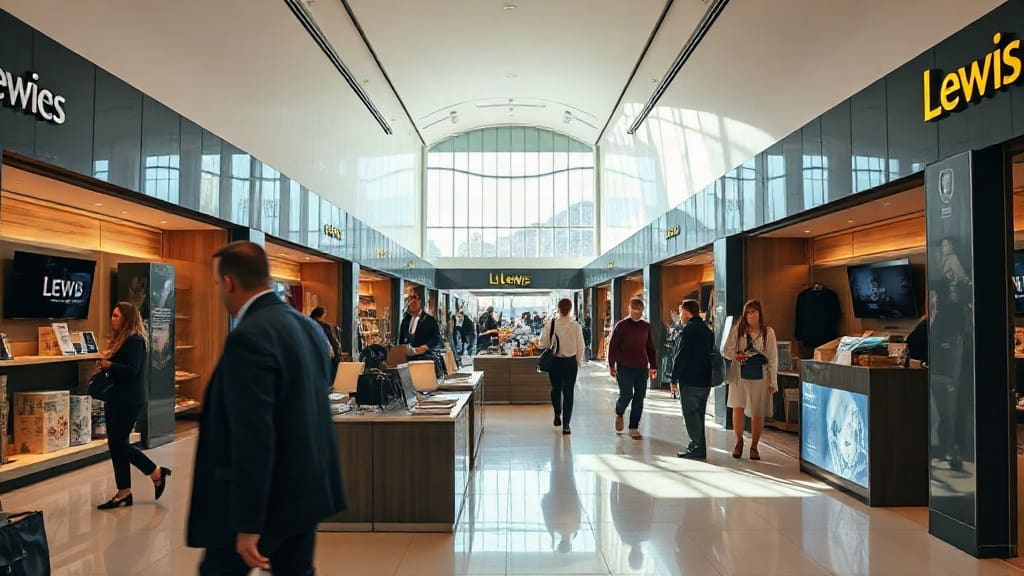
John Lewis Partnership, the employee-owned group behind the John Lewis department stores and Waitrose supermarkets, has reported a pre-tax loss of £124m for the six months to 1 August. This marks a sharp deterioration from the £88m loss recorded in the same period last year, reflecting a perfect storm of higher operating costs and weakening shopper confidence. The results underline the scale of the challenge facing the retailer as it pushes through a long-promised turnaround, even as Waitrose manages to grow sales in a tough grocery market.
The widening loss raises fresh questions about the pace of recovery at one of Britain's most iconic retail names. While the partnership has taken steps to streamline operations and improve its digital offer, the latest figures suggest that external pressures are outweighing internal gains. For shoppers and industry watchers alike, the numbers offer a sobering snapshot of a retail sector still grappling with inflation, shifting spending habits, and a consumer mood that remains cautious at best.
What Drove the Losses at John Lewis?
Several factors combined to push the partnership deeper into the red. First, the group has faced significant cost inflation across its supply chain, including energy, wages, and logistics. These are not unique to John Lewis, but they hit particularly hard for a business that operates large physical stores and a complex grocery network. Second, consumer confidence has dipped noticeably. Shoppers are holding back on big-ticket discretionary purchases such as furniture, electronics, and homeware, which are core categories for John Lewis department stores.
The partnership's management pointed to these twin pressures when explaining the results. While cost control measures were in place, they were not enough to offset the decline in customer spending. The department store arm, in particular, felt the strain as footfall remained below pre-pandemic levels and online sales faced stiff competition from pure-play retailers. Waitrose, by contrast, delivered a more resilient performance, with sales growth driven by a focus on quality and convenience, but even that was not sufficient to counterbalance the losses elsewhere.
Waitrose: A Bright Spot Amid the Gloom
Amid the disappointing headline numbers, Waitrose offered a glimmer of hope. The supermarket chain grew sales during the period, a notable achievement given the intense competition in the UK grocery market. The growth was attributed to improvements in product ranges, better availability, and a stronger emphasis on value without compromising on quality. Waitrose has also benefited from a gradual return of office workers and a renewed interest in premium own-label products.
However, the growth at Waitrose is modest, and the grocery market remains fiercely competitive. Discounters Aldi and Lidl continue to expand, while Tesco and Sainsbury's have sharpened their pricing and loyalty offers. Waitrose must maintain its momentum while avoiding a race to the bottom on price, which could erode its premium positioning. The partnership's leadership is aware that Waitrose cannot carry the group alone; the department stores must find a path back to profitability.
The Turnaround Plan: Progress and Pitfalls
John Lewis Partnership has been pursuing a multi-year turnaround strategy designed to simplify the business, cut costs, and improve the customer experience. Key elements include closing underperforming stores, investing in digital capabilities, and leveraging the partnership model to differentiate from rivals. Some of these efforts are bearing fruit: the online business has stabilised, and customer satisfaction scores have improved. Yet the financial results show that the journey is far from complete.
One of the biggest challenges is the department store format itself. With more shopping moving online and high streets under pressure, John Lewis must redefine its role. The stores that remain need to offer experiences that cannot be replicated online, such as personal styling, home design consultations, and in-store events. The partnership has experimented with these concepts, but scaling them profitably takes time and investment, both of which are in short supply when losses are widening.
What Does This Mean for Shoppers and Employees?
For shoppers, the immediate impact may be subtle. John Lewis and Waitrose are unlikely to slash prices dramatically, as that would undermine their brand promise. Instead, expect more targeted promotions, improved loyalty rewards, and a continued focus on service. The partnership has historically invested in staff training and benefits, and while some cost savings may affect back-office functions, the customer-facing experience is meant to remain a priority.
For the 74,000 or so employees who are partners in the business, the results have a direct financial consequence. The partnership model means that profits are shared, and when there are no profits, there is no bonus. This year's loss makes it highly unlikely that partners will receive a meaningful bonus, which could affect morale and retention. The leadership has been open about the need to return to sustainable profitability to protect the partnership's ethos and long-term future.
Looking Ahead: Can John Lewis Recover?
The path to recovery is not impossible, but it is narrow. John Lewis must navigate a consumer environment that could remain subdued for some time. Interest rates, though stabilising, are still high by recent standards, and many households are prioritising essential spending. The partnership's recent moves to expand its financial services and rental offerings show a willingness to diversify, but these are still nascent.
Analysts suggest that the second half of the year, which includes the crucial Christmas trading period, will be a true test. If shopper confidence improves even slightly, John Lewis could see a meaningful uplift in sales, particularly in its home and technology categories. Conversely, another disappointing festive season would put further pressure on the balance sheet and potentially force more radical restructuring. The next few months will be critical in determining whether the partnership can reverse its fortunes or whether the losses will continue to mount.
Frequently Asked Questions
Why did John Lewis losses widen to £124m?
The losses widened due to a combination of higher operating costs, including energy and wage inflation, and a dip in shopper confidence that reduced spending on discretionary items. The department store arm was particularly affected, while Waitrose grew sales but not enough to offset the overall loss.
Is Waitrose performing better than John Lewis?
Yes, Waitrose reported sales growth in the first half, benefiting from improved product ranges and a focus on quality. However, the growth was modest, and the grocery market remains highly competitive, so Waitrose alone cannot solve the group's financial challenges.
Will John Lewis employees receive a bonus this year?
Given the pre-tax loss, it is very unlikely that partners will receive a bonus for this financial year. The partnership model links bonuses to profitability, and sustained losses make a payout improbable. This could impact staff morale and retention.
What is John Lewis doing to turn the business around?
The partnership is focusing on cost reduction, digital investment, and enhancing the in-store experience. It has closed some underperforming stores and is experimenting with services like personal styling and financial products. The turnaround is ongoing, but external pressures are making progress difficult.
How important is the Christmas period for John Lewis?
The Christmas trading period is crucial. It typically accounts for a significant portion of annual sales and profits, especially in categories like gifts, homeware, and technology. A strong festive season could help narrow the losses, while a weak one would deepen the financial woes.