
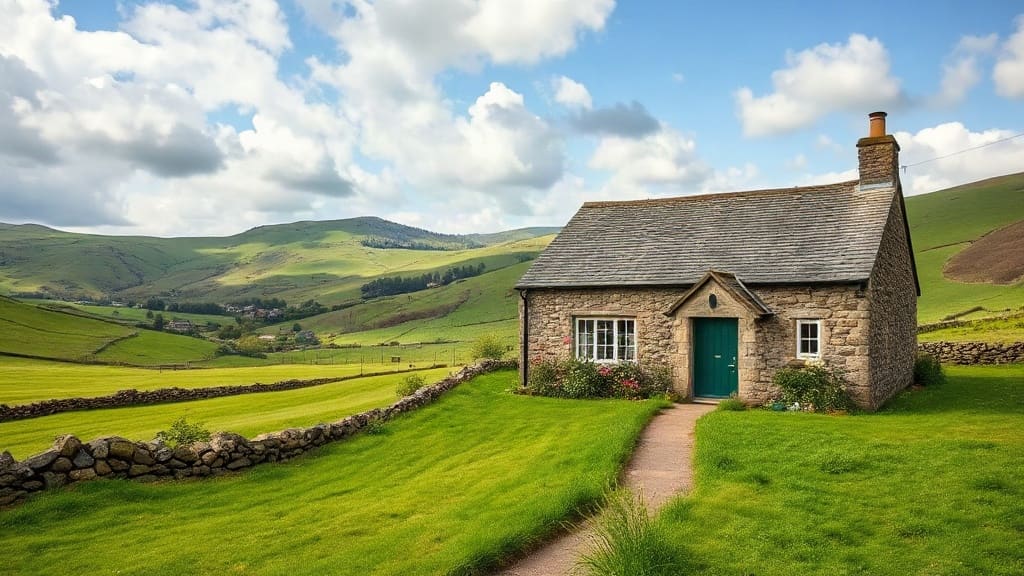
Imagine waking up to the sound of skylarks, stepping outside your door into miles of unspoiled countryside, and knowing that the view from your window will remain unchanged for generations. For many, owning a home within a national park in England is the ultimate dream. But what does it actually mean to buy and live in one of these protected landscapes? This visual tour takes you through some of the most intriguing properties currently on the market, while unpacking the realities of life in a national park.
Why National Park Homes Are So Coveted
England is home to 10 national parks, covering nearly 10% of the country's land area. From the rugged peaks of the Lake District to the gentle chalk hills of the South Downs, these areas are protected for their natural beauty, wildlife, and cultural heritage. That protection brings strict planning controls, which can be both a blessing and a challenge for homeowners. On one hand, you are guaranteed that no sprawling housing estate will spring up next door. On the other, extending or altering your property can be a bureaucratic labyrinth.
But for those who value tranquility, dark skies, and access to nature, the trade-offs are often worth it. Estate agents report that properties within national park boundaries consistently command a premium, often 20% or more above comparable homes just outside the park. Buyers are not just purchasing a house; they are buying into a lifestyle and a landscape that is legally protected for future generations.
Spotlight on Current Listings
Let's take a closer look at some of the homes currently for sale in England's national parks, each offering a distinct character and a different way to experience protected landscapes.
The Energy-Efficient Bungalow in the South Downs
In the South Downs National Park, a modern bungalow has been designed with sustainability at its core. Triple-glazed windows, solar panels, and high levels of insulation mean running costs are remarkably low. The property sits on a quiet lane, with direct access to footpaths that wind through rolling chalk grassland. Inside, the layout is open and light, with large windows framing the surrounding countryside. This home is ideal for those who want a low-maintenance, eco-friendly base for exploring the park's 3,300 km of rights of way.
The Historic Chapel in Northumberland
For something completely different, a converted chapel in Northumberland National Park offers a rare blend of history and comfort. The building retains its original arched windows, stonework, and vaulted ceilings, but has been sensitively updated with underfloor heating and a contemporary kitchen. The main living space is double-height, creating a sense of awe and openness. Outside, the garden merges into open moorland, where red squirrels and curlews are regular visitors. This property appeals to buyers who want a home with a story and a deep connection to the landscape's cultural heritage.
A Stone Cottage in the Peak District
In the Peak District, a traditional stone cottage has come to market after being lovingly restored. The walls are thick, the windows small, and the original beams exposed. A wood-burning stove provides warmth on chilly evenings, while a south-facing garden offers space for growing vegetables. The village has a strong community, with a pub, a shop, and a primary school within walking distance. This is the classic national park home: full of character, slightly quirky, and deeply rooted in its surroundings.
What You Need to Know Before Buying in a National Park
Purchasing a property in a national park is not like buying anywhere else. Here are some key considerations to keep in mind.
- Planning restrictions: National park authorities are the local planning authority, and they apply stricter policies than most councils. Extensions, outbuildings, and even changes to windows or roofing materials may require special permission. Always check what is allowed before making an offer.
- Second home and holiday let policies: Some national parks, such as the Lake District and Snowdonia, have introduced measures to limit second home ownership and short-term holiday lets to protect local housing supply. If you plan to let the property, research the current rules carefully.
- Conservation area status: Many homes within national parks are also in conservation areas or are listed buildings, adding another layer of protection and restriction. This can affect everything from paint colors to satellite dishes.
- Access and services: National park living often means fewer amenities. Broadband can be slow, mobile signal patchy, and the nearest supermarket may be a 30-minute drive. For some, this is part of the appeal; for others, it is a practical challenge.
- Flood risk and climate resilience: Some national park areas are prone to flooding or wildfire. Check the Environment Agency's flood maps and consider the property's resilience to extreme weather before committing.
The Financial Side: Premiums and Hidden Costs
It is no secret that homes in national parks cost more. A 2023 study by a leading property portal found that the average house price in a national park was around £450,000, compared to a national average of £285,000. But the premium is not just about the view. It reflects the security of knowing the landscape will not change, the scarcity of available properties, and the cachet of the address.
However, buyers should also budget for higher maintenance costs. Old stone buildings require specialist tradespeople, and materials must often match the original, which can be expensive. Energy efficiency upgrades may be limited by conservation rules. And if the property is in a remote location, delivery costs for everything from furniture to fuel can add up.
Despite these costs, demand remains strong. Many buyers are willing to pay a premium for the guarantee of unspoiled surroundings and the opportunity to live in a landscape that is actively managed for conservation and public enjoyment.
The Lifestyle: More Than Just a Pretty View
Living in a national park is not for everyone. It requires a certain adaptability and a genuine love for the outdoors. Winters can be harsh, with roads sometimes impassable. Tourists flock to popular spots in summer, bringing traffic and noise. And the isolation that attracts some buyers can feel lonely to others.
But for those who embrace it, the rewards are immense. You become part of a community that is deeply connected to the land. You have front-row seats to the changing seasons, from bluebell woods in spring to golden bracken in autumn. You can walk, cycle, or ride from your doorstep without getting in a car. And you have the satisfaction of knowing that your home is part of a landscape that is protected for everyone, forever.
How to Find Your National Park Home
If you are serious about buying in a national park, start by identifying which park suits your lifestyle. Do you want the dramatic mountains of the Lake District, the heather moorlands of the North York Moors, or the gentle countryside of the South Downs? Each park has its own character, climate, and community.
Work with a local estate agent who knows the area and its planning intricacies. Be patient: properties in national parks often sell quickly, and the right one may take months to appear. When you find a potential home, visit it at different times of day and in different seasons if possible. Talk to neighbors about the realities of living there. And always get a full structural survey, especially for older buildings.
Finally, remember that buying in a national park is a long-term commitment. You are not just buying a house; you are becoming a steward of a protected landscape. For many, that responsibility is part of the appeal.
Frequently Asked Questions
Can anyone buy a house in a national park in England?
Yes, there are no restrictions on who can buy a property in a national park based on nationality or residency. However, some parks have policies that restrict the use of homes as second homes or holiday lets, so if you do not plan to live there full-time, you should check the local rules carefully.
Are houses in national parks more expensive than elsewhere?
Generally, yes. Properties within national park boundaries typically command a premium of 20% or more compared to similar homes just outside the park. This is due to the protected landscape, limited supply, and high demand. The premium varies by park, with the Lake District and South Downs often having the highest prices.
Can I extend or renovate a house in a national park?
Yes, but you will need planning permission from the national park authority, which applies stricter criteria than most local councils. Extensions must be in keeping with the local character, use appropriate materials, and not harm the landscape. Some changes, such as replacing windows or adding solar panels, may also require permission, especially if the property is listed or in a conservation area.
What are the disadvantages of living in a national park?
The main disadvantages include strict planning controls, higher property prices and maintenance costs, potential isolation, limited services such as broadband and healthcare, and seasonal tourism pressures. Some people also find the quiet and lack of nightlife challenging. It is important to weigh these factors against the benefits of living in a beautiful, protected environment.
Do national parks have special rules for holiday lets?
Yes, several national parks, including the Lake District and Snowdonia, have introduced policies to restrict new holiday lets or second homes in certain areas to protect local housing supply. These rules can change, so it is essential to check the current policy of the relevant national park authority before purchasing a property for rental purposes.