
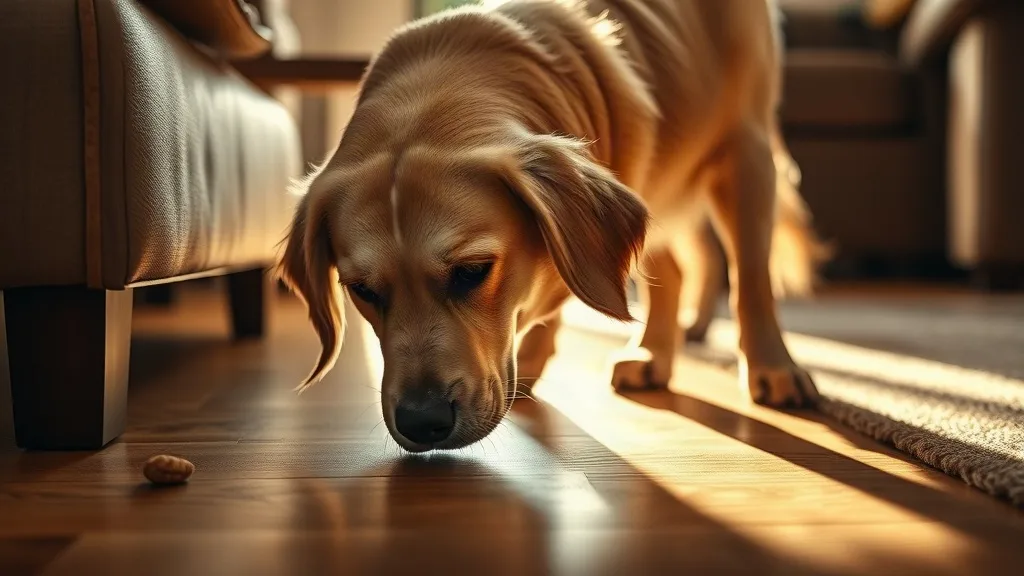
The first time a dog fails to find a treat tucked behind the leg of a chair, most owners laugh it off. Maybe the dog is tired, maybe it got distracted by a passing smell. But for a growing number of researchers and veterinarians, that small pause, that wandering search pattern, is exactly the kind of moment worth paying attention to. A playful game of hide-and-seek with food is turning into something more serious: a possible early warning system for cognitive decline in dogs.
The logic is straightforward once you sit with it. Dogs navigate the world largely through their noses. Asking one to locate a hidden treat is not a test of obedience or tricks. It is a test of memory, attention, spatial reasoning and persistence, all bundled into a task the dog actually enjoys. When those abilities start to erode, the decline often shows up in the search long before it shows up in a worried owner's daily life.
Why the obvious signs arrive too late
Anyone who has shared a home with an older dog knows the sad timeline. A dog that once knew every corner of the house starts standing in doorways, seemingly unsure which way to turn. Sleep patterns flip. An easygoing companion becomes clingy or, conversely, snaps at familiar people. These are the classic signals of canine cognitive dysfunction, a condition that looks a lot like dementia in humans.
The trouble is that by the time an owner notices a dog getting lost in its own living room, the underlying process has usually been grinding along quietly for a long stretch. The brain does not announce its decline. It compensates, reroutes and hides the damage until the reserve runs thin. That gap between the first invisible changes and the first visible ones is where early detection could make a real difference, and it is precisely why low-stakes, scent-based problem solving has caught researchers' attention.
What the treat search actually measures
A hide-and-seek task is deceptively rich. To succeed, a dog has to hold the goal in mind, ignore competing smells, work systematically through a space and adjust when the first attempt fails. Those are not trivial mental operations. They draw on working memory, inhibitory control and the ability to plan a search rather than simply react to whatever is closest.
Because the task is built around food, motivation stays high. A dog that is genuinely engaged will keep hunting. A dog that gives up quickly, circles aimlessly or searches the same empty spot over and over is telling you something. The behavior is subtle, but it is observable, repeatable and, crucially, something an owner can watch for at home without any special equipment.
What owners can learn from a simple game
The appeal here is not a fancy diagnostic gadget. It is the idea that ordinary play can carry real information. A few practical points are worth keeping in mind if you want to try this with your own dog.
- Keep it low pressure. The value comes from watching how the dog searches, not from turning the game into a timed competition.
- Note the pattern, not just the outcome. Does the dog work the room methodically, or does it lose the thread and start over?
- Track changes over time. A single slow search means little. A steady drift across weeks or months is the signal worth discussing with a vet.
- Rule out the obvious first. Vision problems, arthritis, hearing loss and plain fatigue can all mimic cognitive trouble, so a veterinary check matters.
That last point deserves emphasis. A dog that struggles to find a treat might be dealing with sore joints that make sniffing under furniture painful, or cloudy eyes that blur the cues. Cognitive decline is one explanation among several, and only a veterinarian can help sort them out. The treat game is a conversation starter, not a verdict.
The bigger picture for aging dogs
What makes this line of thinking compelling is how it reframes the owner's role. For years, the advice for senior dogs has centered on comfort: softer bedding, shorter walks, gentler routines. All of that still matters. But there is a growing sense that mental engagement belongs on that list too, not as a cure but as a way of keeping the brain active and giving owners a clearer picture of what is changing.
Scent work is especially well suited to that job. It is natural for dogs, adaptable to almost any living space and easy to scale down for an animal that tires quickly. A handful of treats hidden around a single room can be a five-minute activity or a gentle daily ritual. The dog gets a win, the owner gets a window, and the whole thing costs almost nothing.
Caution against overreading the results
It would be easy to oversell this. A treat hunt is not a laboratory test, and no home game can confirm a diagnosis. Dogs vary enormously in how they approach a search, and breed, age, training history and personality all shape the outcome. A methodical hound and a scatterbrained lap dog may post very different results on the same afternoon without either one being unwell.
The responsible takeaway is modest but useful. Watching how your dog solves a simple problem gives you a baseline, and a baseline is what lets you notice a shift. If you have ever wished you had paid closer attention to when your dog's habits started changing, this is a way to build that record before you need it.
Frequently asked questions
Can a treat-hiding game really detect dementia in dogs?
No single game can diagnose canine cognitive dysfunction. What a treat search can do is reveal changes in memory, attention and problem solving that may prompt a veterinary evaluation. Think of it as a screening habit rather than a test.
At what age should I start paying attention to cognitive changes?
Signs tend to become more common as dogs move into their senior years, though the exact age depends heavily on breed and size. Starting a simple baseline game earlier makes any later changes easier to spot.
What behaviors during a treat search should worry me?
Repeatedly searching the same empty spot, giving up almost immediately, appearing confused about which room it is in, or seeming to forget the task midway are all worth noting. Mention them to your vet, especially if they persist or worsen.
Are there other explanations for a dog that suddenly struggles to find treats?
Yes, and they are common. Vision loss, hearing decline, arthritis pain, dental problems and general fatigue can all interfere. A veterinary exam is the right first step before assuming anything about the brain.
Does mental activity actually help aging dogs?
Keeping a senior dog engaged with gentle problem solving is widely seen as part of good care, alongside appropriate exercise, a suitable diet and regular veterinary checkups. It will not reverse decline, but it supports quality of life and gives owners useful information.
The quiet truth behind all of this is that dogs age the way many of us do, gradually and without announcement. A game built around a hidden treat will not stop that. But it might help an owner notice the small shifts a little sooner, and in the long, tender business of caring for an old dog, sooner is often the most valuable thing you can get.