
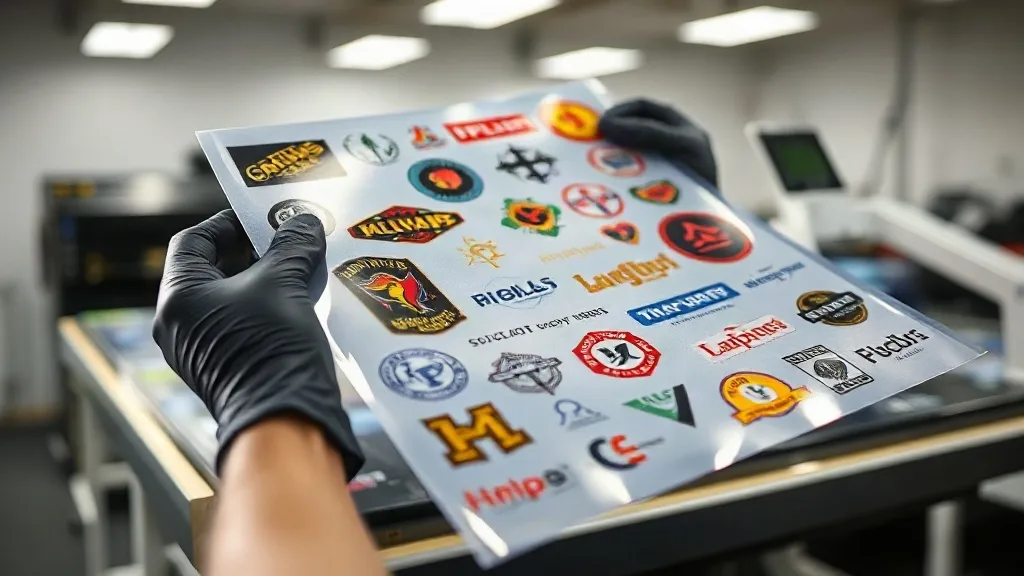
When you run a custom apparel business, every minute and every cent counts. You are constantly looking for ways to streamline production, cut waste, and still deliver the vibrant, durable prints your customers expect. If you have been relying on traditional screen printing or even direct-to-garment (DTG) methods, you have likely encountered their limitations: screen printing is cost-effective only for large orders with few colors, while DTG struggles with certain fabrics and often requires pre-treatment. Enter the DTF Gangsheet, a game-changer that is quietly revolutionizing the custom apparel industry. In this article, we will explore what DTF gangsheets are, how they work, and why they might be the missing piece in your production puzzle.
What Is a DTF Gangsheet?
A DTF (Direct-to-Film) gangsheet is a single sheet of transfer film that contains multiple designs printed together, ready to be heat-pressed onto garments. Think of it as a digital layout where you arrange various graphics, logos, or text in a pattern that maximizes the use of space. Once printed on the film, the designs are coated with a special adhesive powder, cured, and then transferred onto fabric using a heat press. The gangsheet approach allows you to produce a batch of transfers in one go, saving time and reducing material waste.
How Does the DTF Gangsheet Process Work?
The process involves several steps, each crucial for achieving professional results. Here is a breakdown of the typical workflow:
- Design Preparation: Using specialized software, you arrange your designs on a virtual sheet. You can mix and match different sizes, colors, and even different orders. The goal is to fit as many designs as possible onto a standard sheet size (like A3 or A4) while maintaining proper spacing for cutting.
- Printing: The prepared gangsheet is printed onto a special PET film using a DTF printer. The printer lays down a layer of white ink first, followed by the CMYK color inks. This white base is what allows the design to show up vividly on dark fabrics.
- Powder Application: While the ink is still wet, a hot-melt adhesive powder is applied evenly over the printed sheet. The excess powder is shaken off, leaving a thin layer adhered to the ink.
- Curing: The sheet is then heated to melt the powder, creating a durable, flexible adhesive layer that will bond with the fabric during heat pressing.
- Transfer: Finally, the gangsheet is placed on the garment and heat-pressed. The adhesive melts, fusing the design to the fabric. After cooling, the film is peeled away, leaving a soft, vibrant print.
Why Choose DTF Gangsheets Over Other Printing Methods?
DTF gangsheets offer several compelling advantages that make them a preferred choice for many apparel decorators. Let us examine the key benefits.
Cost Efficiency for Small to Medium Orders
Unlike screen printing, which requires separate screens for each color and becomes expensive for short runs, DTF gangsheets are cost-effective even for small batches. You can print just one or two of a design without incurring high setup costs. Additionally, by combining multiple designs on one sheet, you maximize your material usage and reduce waste, further lowering your per-unit cost.
Versatility Across Fabrics
DTF transfers adhere well to a wide range of materials, including cotton, polyester, blends, and even some nylons. This versatility means you can offer your customers prints on various garment types, from 100% cotton t-shirts to polyester sportswear, without worrying about adhesion issues. DTG printing, in contrast, often requires pre-treatment and works best on 100% cotton.
Vibrant, Durable Prints
The white ink base in DTF printing ensures that colors pop, even on dark or colored fabrics. The prints are also highly durable, withstanding multiple washes without significant fading or cracking. This longevity is a major selling point for custom apparel, where customers expect their garments to last.
Streamlined Workflow
By printing gangsheets, you can batch multiple orders together, reducing the number of print runs and simplifying production scheduling. This is especially beneficial for businesses that handle a variety of small orders, such as custom t-shirt shops or promotional product companies. The ability to print, powder, and cure in one continuous process also saves time and labor.
Practical Tips for Using DTF Gangsheets
To get the most out of DTF gangsheets, consider these practical tips from experienced users.
- Optimize Your Layout: Use design software to nest designs efficiently. Rotate and align elements to minimize wasted space. Remember to leave enough gap between designs for easy cutting.
- Choose the Right Film: Not all DTF films are created equal. Invest in high-quality film that can withstand the printing and curing process without warping or causing ink issues.
- Control Powder Application: Too much powder can lead to a stiff feel, while too little may result in poor adhesion. Aim for a thin, even coat and shake off excess thoroughly.
- Test Your Heat Press Settings: Temperature, pressure, and time can vary depending on the fabric and transfer. Always perform a test press on a scrap piece to dial in the perfect settings.
- Store Transfers Properly: Keep unused transfers in a cool, dry place away from direct sunlight to prevent the adhesive from degrading.
Common Mistakes to Avoid
Even with a straightforward process, some pitfalls can trip you up. Here are a few common mistakes and how to avoid them.
- Overlapping Designs: Placing designs too close together can cause them to bleed into each other during printing or make cutting difficult. Always maintain a safe margin.
- Ignoring Fabric Compatibility: While DTF works on many fabrics, some specialized materials may require different settings or additional steps. Always test first.
- Rushing the Curing Step: Proper curing is essential for durability. Do not skip or shorten this step; follow the recommended temperature and time.
- Using Dull Blades: When cutting the gangsheet, use sharp scissors or a rotary cutter to ensure clean edges and avoid lifting the ink.
Frequently Asked Questions About DTF Gangsheets
Can I use DTF gangsheets on dark-colored shirts?
Absolutely. DTF printing includes a white ink base, which allows the colors to stand out vividly on dark fabrics. The white layer acts as a primer, ensuring that the design remains opaque and bright.
How do I ensure my DTF transfers last long?
Proper application and care are key. Follow the heat press instructions precisely, and wash the garment inside out in cold water. Avoid using bleach or fabric softeners, and tumble dry on low. With correct handling, DTF prints can last as long as the garment itself.
Is DTF printing suitable for small businesses?
Yes, DTF printing is particularly well-suited for small businesses because it eliminates the need for minimum order quantities and expensive screen setups. You can print one-offs or small batches cost-effectively, making it ideal for custom orders.
What file format should I use for my gangsheet designs?
Most DTF printers accept high-resolution PNG or TIFF files with transparent backgrounds. Ensure your designs are at least 300 DPI to avoid pixelation. Some software may also support PDF or AI files, but check with your printer's specifications.
Can I mix different designs on one gangsheet?
Definitely. The whole point of a gangsheet is to combine multiple designs onto a single sheet. You can mix sizes, colors, and even different orders as long as they fit within the sheet dimensions. This flexibility is what makes gangsheets so efficient.
DTF gangsheets are more than just a printing method; they are a strategic tool for any apparel decorator looking to boost efficiency and expand their offerings. By understanding the process and applying best practices, you can unlock new levels of productivity and customer satisfaction. Give DTF gangsheets a try and see the difference for yourself.