
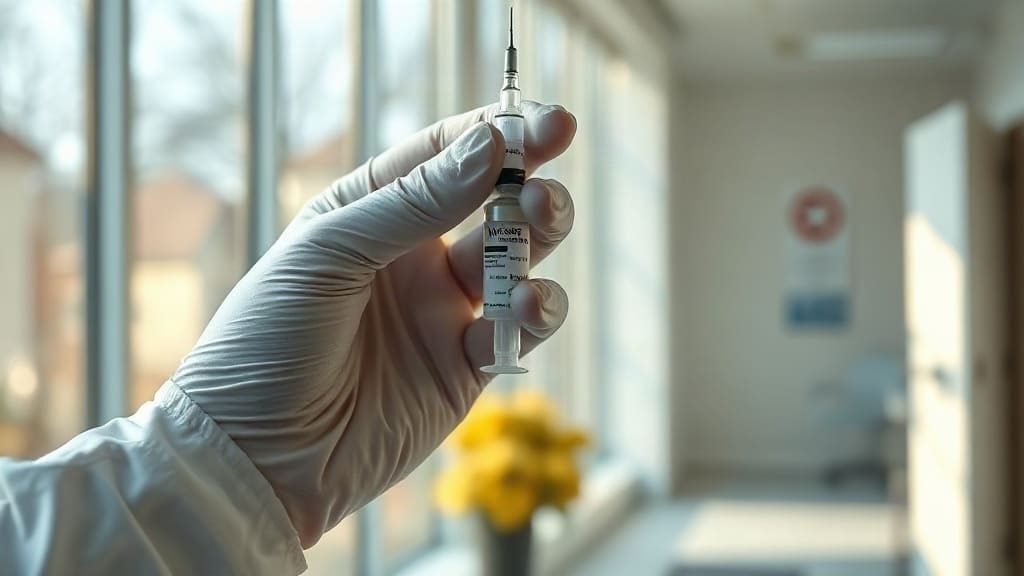
As autumn sets in, the NHS has begun its annual flu vaccination drive, a familiar yet critical ritual in the healthcare calendar. This year, however, the campaign arrives against a backdrop of exceptional strain. The health service is still catching its breath after what officials have described as the 'busiest summer' on record for urgent and emergency care. With winter looming, the stakes for a successful flu vaccine rollout have rarely been higher.
Why this year's flu campaign matters more than ever
Flu is often dismissed as a seasonal nuisance, but for the NHS it represents a predictable surge in demand that can tip already stretched services into crisis. Each winter, influenza adds thousands of hospital admissions, puts pressure on intensive care units, and disrupts routine operations. This year, the health service enters the season with fewer reserves than usual. The summer months brought record attendances at A&E departments, prolonged ambulance handover delays, and a backlog of elective procedures. In that context, preventing avoidable flu-related hospitalisations is not just good public health; it is an operational necessity.
The term 'busiest summer' is not hyperbole. Hospitals across England reported sustained levels of demand usually seen only in winter. Staff absences due to illness, ongoing industrial action, and the lingering effects of the pandemic have all contributed to a system that is running hot. The flu vaccine, while not a silver bullet, is one of the few tools that can meaningfully reduce winter pressure. Health leaders are urging eligible groups to come forward early, not only to protect themselves but to help keep the NHS functioning for everyone.
Who is eligible for the flu jab?
The eligibility criteria for the free NHS flu vaccine remain largely unchanged from previous years, but they cover a broad swathe of the population. The list includes:
- Everyone aged 65 and over
- Pregnant women
- Children aged 2 to 11 (via nasal spray or injection depending on age and setting)
- People aged 6 months to 64 years with certain long-term health conditions, such as diabetes, heart disease, or respiratory illness
- Health and social care workers
- Carers in receipt of a carer's allowance, or those who are the main carer for an older or disabled person
- People who live with someone who has a weakened immune system
For those not eligible for a free jab, the vaccine is widely available at pharmacies for a modest fee. Many employers also offer workplace vaccination schemes. With flu strains evolving each year, even healthy adults can benefit from the protection, reducing the chance of passing the virus to more vulnerable contacts.
What has changed about this year's vaccine?
Each year, the World Health Organization reviews global surveillance data and recommends which influenza strains should be included in the northern hemisphere vaccine. This year's jab has been updated to better match circulating viruses, including changes designed to improve protection against the strain known as 'Super-K'. That particular variant caused significant illness last season, particularly among older adults, and scientists have adjusted the vaccine composition accordingly.
The quadrivalent vaccines used in the UK typically protect against four strains: two influenza A viruses and two influenza B viruses. For the 2023/24 season, one of the A strains has been swapped for a more recent version. This is a normal part of vaccine development, but it underscores why annual vaccination is necessary. Immunity from a previous flu jab or a past infection may not fully cover new variants.
For children, the nasal spray vaccine remains the preferred option where appropriate. It is quick, painless, and has been shown to be highly effective in reducing flu transmission in schools and households. Parents are encouraged to sign consent forms promptly when schools send them out, as school-based vaccination programmes are a key part of the national strategy.
How the rollout is being delivered
The NHS flu vaccine programme is a massive logistical undertaking. It involves general practices, community pharmacies, school immunisation teams, and hospital trusts. This year, there has been a push to make access as convenient as possible. Many GP surgeries are running dedicated flu clinics, while high street pharmacies offer walk-in appointments without the need to register. Some areas have introduced mobile vaccination units to reach care homes, homeless shelters, and rural communities.
Digital reminders via text message and the NHS App have become standard practice, nudging people to book their jab. The NHS has also launched a public awareness campaign featuring real healthcare workers, emphasising the message that the flu vaccine is safe, effective, and the best defence against a potentially serious illness. For those who are needle-phobic, the nasal spray for children and the availability of smaller needles for adults are practical reassurances.
One notable development this year is the closer integration of flu and COVID-19 vaccination campaigns. Many eligible adults are being offered both jabs at the same appointment, one in each arm. This co-administration saves time and reduces the number of visits required, which is particularly helpful for older people or those with mobility issues. Health officials stress that both vaccines are safe to receive together and that side effects, if any, are usually mild and short-lived.
The 'busiest summer' and its implications for winter
To understand why the flu vaccine rollout is being treated with such urgency, it helps to look at the recent data. The NHS in England recorded its highest ever number of A&E attendances in a single month during the summer. Ambulance services responded to more category one calls than ever before, and the number of patients waiting more than 12 hours in emergency departments reached record levels. Bed occupancy rates remained above 95% for extended periods, a level that most clinicians consider unsafe.
This sustained pressure has left hospitals with little room to manoeuvre. Winter normally brings a surge in respiratory infections, including flu, respiratory syncytial virus (RSV), and COVID-19. If flu circulates widely among an unvaccinated population, the additional admissions could overwhelm already fragile services. The NHS has published its winter resilience plan, which includes extra bed capacity, virtual wards, and increased use of community rapid response teams. But the plan relies heavily on reducing preventable demand, and flu vaccination is a cornerstone of that effort.
Healthcare workers themselves are a priority group for vaccination, not only to protect them from illness but to prevent absenteeism during peak periods. Staff sickness rates have been higher than usual, and every nurse or doctor off with flu adds to the strain. Many trusts have set ambitious targets for staff vaccination, with some offering incentives such as free refreshments or prize draws. The goal is to achieve high uptake among frontline workers, which in turn protects patients and keeps services running.
Debunking common flu vaccine myths
Despite decades of evidence supporting flu vaccination, myths persist. Some people believe the vaccine can give you flu, but this is impossible because the injected vaccine contains inactivated virus or, in the case of the nasal spray, a weakened virus that cannot cause illness in healthy individuals. Others argue that flu is just a bad cold, but influenza can lead to pneumonia, sepsis, and death, particularly in high-risk groups. In an average year, flu causes thousands of deaths in the UK, and the vaccine significantly reduces that toll.
Another misconception is that if you had the vaccine last year, you do not need it again. In reality, immunity wanes over time, and the circulating strains change. Annual vaccination is recommended precisely because last year's jab may not protect against this year's viruses. The minor inconvenience of a sore arm or a day of mild fatigue is a small price to pay for the protection offered.
Pregnant women are sometimes hesitant, but the flu vaccine is safe at any stage of pregnancy and protects both mother and baby. Similarly, children with egg allergies can usually receive the vaccine, as most modern flu jabs contain negligible amounts of egg protein. Anyone with concerns should speak to a pharmacist or GP, who can provide tailored advice.
What experts are saying
Public health leaders have been unusually candid about their concerns. The chief medical officer has urged all eligible people to get vaccinated as soon as possible, noting that the NHS cannot afford another winter of extreme pressure. Royal colleges representing GPs, nurses, and emergency physicians have issued joint statements highlighting the importance of vaccination in reducing hospital admissions. Charities for older people and those with long-term conditions have echoed these calls, emphasising that flu can be life-threatening for their communities.
At the same time, there is recognition that vaccine fatigue may be setting in after years of COVID-19 messaging. Some people are tired of hearing about jabs and boosters. Health communicators are therefore focusing on the personal and community benefits, using real stories from patients who have experienced severe flu. The message is simple: a few minutes now could save weeks of illness, or even a life.
How to get your flu vaccine
Booking a flu vaccine is straightforward. If you are eligible for a free NHS jab, you can contact your GP practice, visit a participating pharmacy, or wait for an invitation from your local NHS team. Many pharmacies offer walk-in appointments without prior booking, and some supermarkets with pharmacy counters also provide the service. If you are not eligible for a free vaccine, you can pay for one at most pharmacies, with prices typically ranging from £10 to £20. Some employers offer free or subsidised vaccinations, so it is worth checking with your HR department.
For children, the school-based programme is the main route, but parents can also arrange vaccination through their GP if a child misses the school session. The nasal spray is quick and painless, and most children experience no side effects beyond a mild runny nose. Adults who prefer a needle-free option may be able to request the intradermal vaccine, which uses a smaller needle and is injected just under the skin.
It is best to get vaccinated before flu starts circulating widely, which is typically from December onwards. The vaccine takes about two weeks to provide full protection, so an autumn appointment is ideal. However, it is never too late to benefit, and the NHS continues to offer vaccination well into the new year.
Looking ahead: a winter of uncertainty
No one can predict exactly how severe this flu season will be. The southern hemisphere, which experiences winter during our summer, saw a relatively early and intense flu season in some countries. That is often a harbinger of what to expect in the north. Combined with the ongoing presence of COVID-19 and RSV, the potential for a 'tripledemic' remains a real concern. The NHS has planned for a range of scenarios, but the most important variable is public behaviour. High vaccine uptake could make the difference between a manageable winter and a crisis.
The flu vaccine rollout is not just a clinical intervention; it is a collective act of resilience. Every person who gets vaccinated reduces the chance of transmitting the virus to someone more vulnerable. In a health service that is already stretched to its limits, that collective effort is invaluable. As the NHS regroups from its busiest summer, the flu jab offers a practical way for the public to support the system and protect themselves and their loved ones.
Frequently asked questions
Can the flu vaccine give me the flu?
No, the injected flu vaccine does not contain live virus, so it cannot cause flu. Some people experience mild side effects such as a sore arm, low-grade fever, or muscle aches for a day or two, but these are signs of the immune system responding and are not the same as flu illness.
How long does the flu vaccine take to work?
It takes about two weeks after vaccination for your body to develop full protection against the flu viruses included in the vaccine. This is why health officials recommend getting vaccinated in the autumn, before flu starts circulating widely.
Is the flu vaccine safe during pregnancy?
Yes, the flu vaccine is safe at any stage of pregnancy and is strongly recommended. Pregnant women are at higher risk of serious complications from flu, and vaccination also passes protection to the baby during the first months of life.
Do I need a flu vaccine every year?
Yes, annual vaccination is necessary because flu viruses change over time and immunity from the previous year's vaccine wanes. Each year's vaccine is updated to match the strains most likely to circulate in the coming season.
Can I get the flu vaccine and COVID-19 booster at the same time?
Yes, it is safe to receive the flu vaccine and a COVID-19 booster at the same appointment. Many vaccination sites offer both jabs, usually one in each arm. Side effects are similar to getting either vaccine alone and are generally mild.