
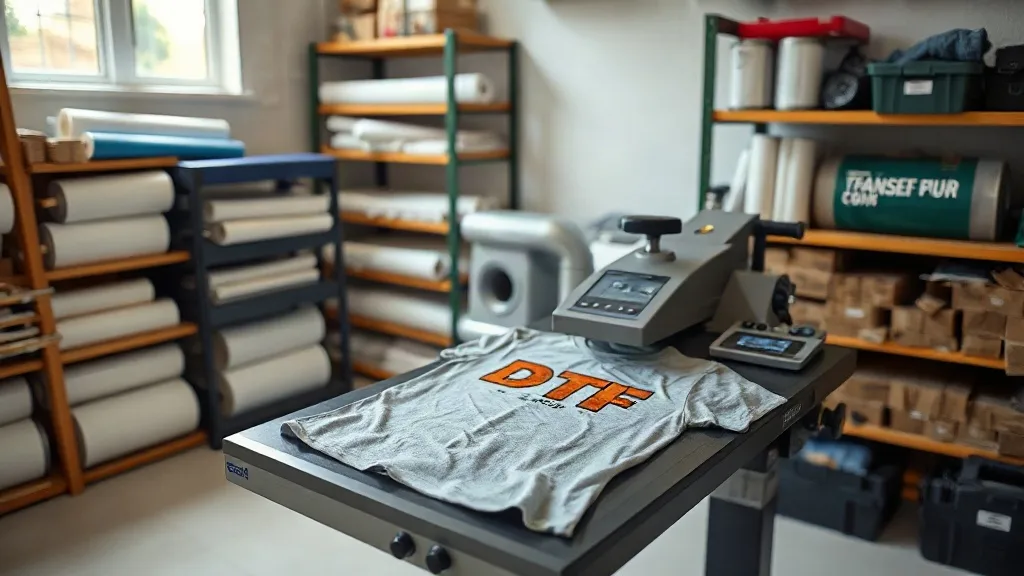
When you run a small print shop, every decision affects your bottom line. You want processes that are efficient, cost-effective, and reliable. In recent years, dtf transfers have emerged as a game-changer for many shops, offering a versatile and accessible way to produce high-quality apparel and promotional items. But what exactly are DTF transfers, and why should you consider integrating them into your workflow? This guide will walk you through the essentials, from understanding the technology to practical tips for implementation.
What Are DTF Transfers?
DTF stands for Direct-to-Film. It's a printing method where your design is printed onto a special film, then coated with a powder adhesive and cured. The resulting transfer can be applied to a wide range of fabrics using a heat press. Unlike DTG (Direct-to-Garment) printing, which requires pretreating the garment, DTF transfers are ready to apply straight out of the box (after curing). This makes them incredibly convenient for small shops that handle diverse orders.
The DTF Process Step by Step
Here's a quick overview of how DTF transfers are made:
- Design Preparation: Your artwork is prepared and printed onto a PET film using specialized DTF inks.
- Powder Application: While the ink is still wet, a hot-melt adhesive powder is applied evenly over the print.
- Curing: The film is heated to melt the powder, creating a durable, flexible layer.
- Transfer: The film is placed on the fabric and pressed with a heat press, transferring the design.
This process can be done in-house with a DTF printer and supplies, or you can order pre-made transfers from a supplier. For many small shops, ordering transfers is a low-barrier entry point.
Why DTF Transfers Make Sense for Small Print Shops
If you're a small shop, you likely face challenges like limited space, tight budgets, and the need to offer a wide variety of products without holding excessive inventory. DTF transfers address these pain points directly.
Low Startup Costs
Investing in a DTF printer can be expensive, but you don't have to. Many suppliers offer high-quality dtf transfers at competitive prices, allowing you to test the waters without a large capital outlay. You can start offering custom apparel with minimal investment.
Versatility Across Fabrics
One of the biggest advantages of DTF is its ability to adhere to a wide range of materials, including cotton, polyester, blends, and even some synthetics. This means you can cater to more customer requests without switching equipment.
No Pretreatment Required
DTG printing often requires pretreating the garment, which adds time and cost. DTF transfers eliminate this step, streamlining your production and reducing errors.
Durability and Washability
When applied correctly, DTF transfers are highly durable and can withstand multiple washes without fading or cracking. This translates to satisfied customers and fewer complaints.
How to Choose the Right DTF Transfers
Not all DTF transfers are created equal. Quality can vary significantly depending on the supplier and the materials used. Here's what to look for:
- Ink Quality: Look for transfers made with high-quality pigments that produce vibrant colors and sharp details.
- Adhesive Powder: The powder should be evenly applied and melt smoothly to ensure a strong bond.
- Film Type: Some films are easier to work with, especially for beginners. Consider peel options (hot vs. cold) and thickness.
- Supplier Reputation: Read reviews and ask for samples before committing to a large order.
If you're searching for dtf transfers near me, you might find local suppliers who can offer faster turnaround and personalized service. However, online suppliers often provide a broader selection and competitive pricing.
Integrating DTF Transfers into Your Workflow
To maximize efficiency, consider these tips for incorporating DTF transfers into your daily operations:
Invest in a Quality Heat Press
A reliable heat press is crucial for consistent results. Ensure it maintains even temperature and pressure across the platen. A clamshell or swing-away press both work, but swing-away is often preferred for DTF because it allows for easier placement.
Master the Application Parameters
Each transfer may have specific temperature, pressure, and time recommendations. Always follow the supplier's instructions and do test presses on scrap fabric to dial in the settings.
Store Transfers Properly
Keep unused transfers in a cool, dry place away from direct sunlight. Moisture and heat can degrade the adhesive powder.
Offer Customization Options
Use DTF to offer personalized items like team jerseys, event t-shirts, or promotional bags. The ability to print full-color designs with no color limitations makes it ideal for one-off orders.
Comparing DTF with Other Printing Methods
Understanding how DTF stacks up against other common methods can help you decide where it fits best.
DTF vs. DTG
DTG is great for 100% cotton and produces soft prints, but it requires pretreatment and can be slower for small batches. DTF works on more fabrics and has a simpler workflow, but the prints may have a slight texture.
DTF vs. Screen Printing
Screen printing is cost-effective for large orders but has setup costs and is impractical for small runs. DTF excels in short runs and complex designs with gradients.
DTF vs. Vinyl
Heat transfer vinyl (HTV) is popular for simple designs but limited in color and detail. DTF handles full-color images and fine details effortlessly.
Common Challenges and Solutions
Even with a straightforward process, you might encounter issues. Here are some common problems and how to fix them:
- Peeling or Cracking: Ensure sufficient pressure and time during application. Also, check that the fabric is clean and flat.
- Faded Colors: Verify that the transfer is fully cured and use a press cloth if needed to prevent scorching.
- Adhesive Residue: If powder isn't melting properly, adjust curing temperature or check powder quality.
Frequently Asked Questions
Can I use DTF transfers on dark fabrics?
Yes, DTF transfers include a white ink layer that allows them to show up vividly on dark colors. This is one of their key advantages over some other methods.
How long do DTF transfers last?
When applied correctly, DTF transfers can last as long as the garment itself, withstanding 50+ washes without significant fading or cracking.
Do I need a special printer to make DTF transfers?
To produce transfers in-house, you need a DTF printer, DTF inks, film, and powder. However, you can also purchase ready-to-use transfers from suppliers, which is more cost-effective for low-volume shops.
What is the best way to store DTF transfers?
Store them flat in a cool, dry place, away from humidity and direct sunlight. Avoid folding them sharply to prevent damage to the adhesive layer.
Can DTF transfers be used on 100% polyester?
Yes, DTF adheres well to polyester and polyester blends. However, be mindful of the heat press temperature to avoid melting synthetic fabrics.
By embracing DTF transfers, small print shops can expand their offerings, reduce overhead, and delight customers with vibrant, durable prints. Whether you're just starting out or looking to streamline your existing operations, DTF is a technology worth exploring.