
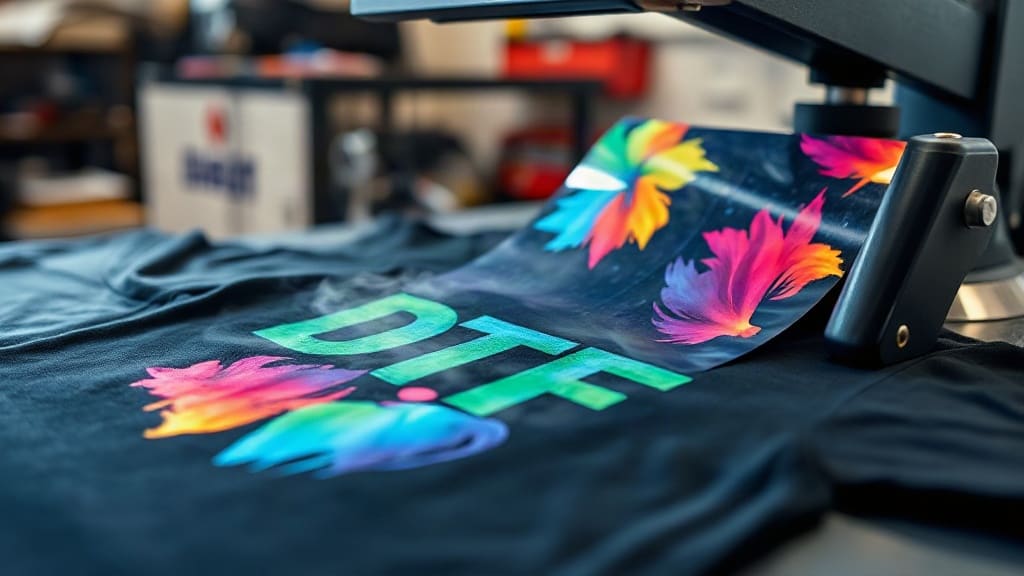
If you're in the custom apparel or printing business, you've likely heard about DTF transfers. Direct to Film printing has taken the industry by storm, offering a versatile and vibrant alternative to traditional methods. But what exactly are DTF transfers, and how can they benefit your projects? Whether you're a seasoned professional or just starting out, this guide will walk you through everything you need to know.
In this comprehensive article, we'll explore the ins and outs of DTF transfers, from the technology behind them to practical tips for application. We'll also discuss how to find reliable dtf transfers near me and what to look for in a supplier. By the end, you'll have a clear understanding of why DTF is becoming the go-to choice for many decorators and how you can leverage it for your business or personal projects.
What Are DTF Transfers?
DTF stands for Direct to Film. It is a printing method where designs are printed onto a special PET film, then coated with a hot-melt adhesive powder. The film is then heat-pressed onto the garment or substrate. Unlike DTG (Direct to Garment) which prints directly onto the fabric, DTF prints onto a film that acts as a transfer medium.
The process typically involves a DTF printer, which uses specialized inks (usually pigment-based) to print the design in reverse onto the film. After printing, an adhesive powder is applied to the wet ink, then cured (melted) using a heat source. Once cured, the transfer is ready to be applied to the final product using a heat press.
One of the key advantages of DTF is its ability to adhere to a wide range of materials, including cotton, polyester, blends, leather, and even some synthetics. This versatility makes it a preferred choice for many printing businesses.
How DTF Transfers Work: A Step-by-Step Overview
Understanding the process can help you appreciate the quality and consistency of DTF transfers. Here's a simplified breakdown:
- Design Preparation: Create or obtain a high-resolution design file. The design is mirrored before printing.
- Printing on Film: The DTF printer prints the design onto a special PET film using DTF inks. The film has a coating that helps the ink release later.
- Adhesive Powder Application: While the ink is still wet, a fine polyurethane-based adhesive powder is evenly applied over the printed area. Excess powder is shaken off.
- Curing: The film with powder is passed through a curing oven or under a heat press to melt the powder, creating a solid adhesive layer.
- Transfer Application: The cured film is placed on the garment, and heat pressed at a specific temperature, pressure, and time. After cooling, the film is peeled off, leaving the design on the fabric.
This process results in a transfer that is durable, flexible, and vibrant. It's important to follow the manufacturer's guidelines for temperature and pressure to achieve optimal results.
Benefits of Using DTF Transfers
Why are so many businesses switching to DTF? Here are some compelling reasons:
- Versatility: DTF works on both light and dark fabrics without the need for pre-treatment or weeding. It can be applied to a wide variety of materials.
- Vibrant Colors and Detail: DTF prints offer excellent color accuracy and can reproduce fine details, gradients, and photographic images with ease.
- Durability: When properly applied, DTF transfers are highly resistant to washing, stretching, and cracking. They can outlast many other transfer methods.
- Cost-Effective for Small Runs: Unlike screen printing, there are no setup fees or minimum order quantities. You can print one-off designs economically.
- No Weeding or Masking: Unlike vinyl, DTF requires no weeding, saving time and labor.
- Soft Hand Feel: Modern DTF adhesives produce a soft, flexible finish that feels comfortable on the skin.
DTF vs. Other Transfer Methods
To better understand where DTF fits, let's compare it with other popular methods:
DTF vs. DTG (Direct to Garment)
DTG prints directly onto the garment using specialized inkjet technology. It's great for cotton and produces a very soft feel. However, DTG requires pre-treatment for dark garments and is limited to mostly cotton fabrics. DTF, on the other hand, works on virtually any fabric without pre-treatment and offers better adhesion on synthetics. DTG can be slower for bulk orders, while DTF transfers can be pre-printed and applied quickly.
DTF vs. Sublimation
Sublimation works only on polyester or polymer-coated substrates. It produces vibrant, permanent prints but is limited to light-colored, high-polyester materials. DTF works on a broader range of fabrics including cotton and dark colors, making it more versatile for typical apparel.
DTF vs. Vinyl (HTV)
Heat transfer vinyl involves cutting designs from colored vinyl and weeding out the excess. Vinyl is durable but limited in color gradients and fine details. DTF allows full-color, photographic-quality prints without weeding, and often has a softer hand feel than thick vinyl.
Finding Reliable DTF Transfers Near Me
If you're looking to source dtf transfers near me, whether for personal projects or business needs, it's crucial to find a supplier that delivers quality and consistency. Here are some tips:
- Check Reviews and Samples: Look for suppliers with positive reviews and request sample prints to evaluate color accuracy, adhesion, and washability.
- Ask About Inks and Films: High-quality DTF transfers use premium inks and films. Inquire about the brands they use and their curing process.
- Turnaround Time: Depending on your needs, speed may be important. Some local suppliers offer same-day or next-day service.
- Customization Options: Ensure they can handle your file types and sizes. Some offer gang sheets for multiple designs to save cost.
- Pricing: Compare prices, but don't compromise on quality. Extremely cheap transfers may use inferior materials that crack or fade quickly.
Searching online with terms like "dtf transfers near me" can yield local print shops or specialized DTF transfer services. Many also offer shipping, so you can order from anywhere.
How to Apply DTF Transfers Correctly
Applying DTF transfers correctly is essential for durability and appearance. Here's a step-by-step guide:
- Preheat the Garment: Place the garment on the heat press and press for 2-3 seconds to remove moisture and wrinkles.
- Position the Transfer: Place the DTF transfer with the printed side facing down onto the desired location. Use heat-resistant tape to secure if needed.
- Set Heat Press Parameters: Typical settings are 300-320°F (150-160°C) with medium to firm pressure for 10-15 seconds. Always follow the specific instructions from your transfer supplier.
- Press: Close the heat press and apply even pressure for the specified time.
- Peel: Allow the transfer to cool completely (cold peel) for most DTF films. Some films are hot peel, but cold peel is common. Peel the film slowly and evenly.
- Post-Press (Optional): Cover the design with parchment paper or a Teflon sheet and press again for 5-10 seconds to enhance adhesion and softness.
Proper application ensures the transfer bonds well and withstands repeated washing.
Common Mistakes to Avoid
Even experienced decorators can make mistakes with DTF. Here are some pitfalls to avoid:
- Incorrect Temperature or Pressure: Too low temperature results in poor adhesion; too high can scorch the fabric or damage the transfer. Always calibrate your heat press.
- Insufficient Curing of Adhesive Powder: If the powder isn't fully melted, the transfer won't stick properly. Ensure the powder becomes glossy and smooth after curing.
- Peeling Too Early: For cold peel films, peeling while still warm can stretch the design or leave adhesive residue. Wait until fully cool.
- Using Wrong Film or Ink: Not all films and inks are compatible. Use products designed for DTF to avoid adhesion issues.
- Ignoring Fabric Compatibility: While DTF works on many fabrics, some coated or water-repellent materials may resist adhesion. Test on a scrap piece first.
Cost Considerations for DTF Transfers
The cost of DTF transfers can vary based on size, color count, and quantity. Here's a rough breakdown:
- Per Transfer Pricing: Many suppliers charge per square inch or per sheet. A standard 11"x12" gang sheet can range from $5 to $15 depending on complexity and quantity.
- Bulk Discounts: Ordering in larger quantities often reduces the per-unit cost significantly.
- Shipping: If ordering online, shipping costs can add up, especially for rush orders. Local pickup may save money.
- DIY vs. Outsourcing: If you have a DTF printer, your main costs are ink, film, and powder. Outsourcing is cost-effective for low volumes or when you don't want to invest in equipment.
When calculating your overall product cost, include the transfer cost, garment cost, and labor. DTF often provides a good profit margin for custom apparel businesses.
Quality Indicators of Good DTF Transfers
Not all DTF transfers are created equal. Here's what to look for to ensure you're getting top-quality products:
- Vibrant, Accurate Colors: Colors should match your design file closely. Fading or dullness may indicate poor ink or printing quality.
- Sharp Details: Fine lines and small text should be crisp and clear.
- Even Adhesive Layer: The powder should be uniformly applied with no bare spots or clumps.
- Flexibility: After application, the print should stretch with the fabric without cracking.
- Wash Fastness: A good DTF transfer should survive 50+ washes with minimal fading or peeling if applied correctly.
When evaluating a new supplier, ask for a wash test sample to verify durability.
DTF Transfers for Small Businesses and Hobbyists
DTF has opened up opportunities for small businesses and hobbyists who want to create custom apparel without heavy investment. Here's why it's a game-changer:
- Low Entry Barrier: You can start by ordering transfers from a supplier, needing only a heat press. No need for expensive printers initially.
- No Minimums: You can order just one transfer, making it perfect for personalized gifts or small orders.
- Quick Turnaround: With pre-printed transfers, you can fulfill orders quickly, sometimes within minutes.
- Design Flexibility: You can offer unlimited designs without stocking inventory.
Many entrepreneurs use DTF to test designs before committing to bulk screen printing. It's also popular for on-demand printing services.
Environmental and Safety Considerations
While DTF offers many benefits, it's important to consider environmental and safety aspects:
- Ink and Powder Composition: DTF inks and powders are generally safe when handled properly, but always follow safety data sheets. Ensure good ventilation during printing and curing.
- Waste: Used films and excess powder contribute to waste. Some suppliers offer recycling programs for PET films.
- Energy Consumption: Curing ovens and heat presses consume energy. Optimize your workflow to reduce energy use.
As the industry evolves, more eco-friendly options are emerging, such as biodegradable films and water-based inks.
Future Trends in DTF Printing
The DTF market is rapidly growing, with continuous innovations:
- Improved Inks and Films: Manufacturers are developing inks with better stretch and washability, and films that are easier to peel.
- Automation: Automated powder shakers and curing units are making the process faster and more consistent.
- Eco-Friendly Solutions: There's a push toward sustainable materials and recycling programs.
- Hybrid Machines: Some printers now combine DTF and DTG capabilities, offering flexibility.
Staying updated with these trends can help you remain competitive.
Frequently Asked Questions
What is the difference between DTF and DTG printing?
DTF prints onto a film that is then transferred to the garment, while DTG prints directly onto the fabric. DTF works on more materials and doesn't require pre-treatment, whereas DTG is best for cotton and offers a softer feel on light garments.
How long do DTF transfers last?
When applied correctly and cared for properly, DTF transfers can last for 50 or more washes without significant fading or cracking. Washing inside out in cold water and avoiding harsh detergents can extend their life.
Can DTF transfers be used on dark fabrics?
Yes, DTF transfers work exceptionally well on dark fabrics. The white ink underbase ensures vibrant colors on any color garment, making it a versatile choice.
Is DTF printing cost-effective for small orders?
Absolutely. DTF has no setup fees or minimums, so you can print a single shirt economically. This makes it ideal for personalized gifts, samples, or small business runs.
Where can I find dtf transfers near me?
You can search online for "dtf transfers near me" to find local print shops or specialized DTF transfer services. Many suppliers also offer shipping, so you can order from anywhere with quick delivery.
In conclusion, DTF transfers offer a powerful combination of versatility, quality, and affordability. Whether you're a business owner looking to expand your product line or a hobbyist wanting custom apparel, DTF is a technology worth exploring. By understanding the process, sourcing quality transfers, and applying them correctly, you can achieve professional results that stand the test of time.