Carving out a profitable niche in the fast-paced custom apparel space demands a manufacturing setup that values agility above all else. For print entrepreneurs who want to achieve deep color saturation, sharp vector outlines, and flawless gradients without the extensive setup times or chemical waste of traditional screen setups, embracing premium dtf thermal production is the ultimate way forward. This modern film-to-fabric system frees boutique clothing lines and high-volume print providers from the heavy financial burden of stocking thousands of pre-printed shirts, moving the entire business model to a lean, on-demand framework.
The Molecular Bonding and Chemistry of Cured Films
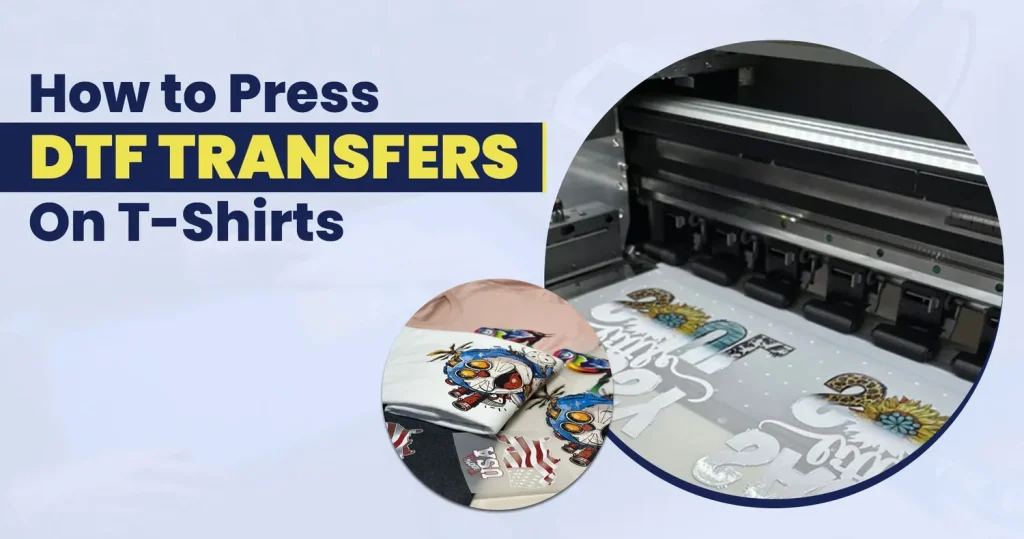
The exceptional wash longevity found in this modern clothing decoration alternative comes down to advanced dual-layer polymer engineering. Instead of driving liquid pigments directly into porous fabric grains where colors naturally bleed or dull down, artwork is digitally mirrored onto a specialty matte PET release sheet. Instantly following the printhead pass, a uniform layer of high-bond polyurethane adhesive powder is introduced over the wet layout. Passing this film through a calibrated heat chamber liquefies the powder, transforming it into a thin, highly elastic rubberized membrane that forms a permanent thermal bond during final heat application.
This distinct construction ensures incredible resistance to physical stress. While conventional vinyl cutouts or old-school screen prints often crack when stretched across the chest or shoulders, this advanced polymer layer expands and contracts in complete harmony with individual textile fibers. Additionally, the solid white base layer forms an impenetrable block against underlying fabric dye migration, ensuring that vivid pastels and bright white text remain flawlessly crisp, even when pressed onto dark fleece or synthetic performance jerseys.
Maximizing Daily Workshop Output with Commercial Pre-Prints
For independent apparel designers, corporate event coordinators, and fast-growing ecommerce store owners who want to scale their product catalog without taking on the heavy maintenance burdens of industrial inkjet hardware, sourcing pre-printed, commercial-grade dtf transfers represents a highly efficient, asset-light production strategy. By letting a dedicated industrial plant handle the technical precision of daily nozzle checks, complex color profile matching, and environmental curing steps, your team can concentrate entirely on garment selection, social media marketing, and immediate customer fulfillment. This operational approach keeps your internal overhead minimal while ensuring every piece shipped matches true retail standards.
To eliminate application errors and maintain strict quality control throughout busy seasonal rushes, try optimizing your workspace using these field-tested tips:
- Keep a clean, sticky lint roller near your platen to strip away loose fibers, stray threads, and ambient dust from the blank garment before placing your design.
- Place heat-resistant foam pressing pillows inside apparel with heavy plastic buttons, metal zippers, or thick pocket seams to secure a completely flat pressing plane.
- Allow your cold-peel designs to sit on a cool metal table for a few moments to quickly drop their core temperature before executing a clean, smooth pull.
- Incorporate a quick five-second secondary post-press using a sheet of textured matte paper to eliminate artificial ink shine and lock down the design edges seamlessly.
The Strategic Safety Net of Localized Supply Channels
In the on-demand clothing economy, rapid order turnaround is the ultimate way to maintain customer loyalty. Searching for reliable dtf transfers near me connects business owners with localized supply pipelines that shield them from global logistics bottlenecks, customs inspection holdups, and unpredictable international air freight rates. Having a trusted domestic printer nearby means you can capitalize on viral internet trends within 24 hours, printing limited-edition drops with total confidence in your delivery timeline.
A regional production partnership also makes quality control clear and highly transparent. Instead of guessing how a complex graphic file looks on a screen thousands of miles away, you can request rapid local sample swatches, run strict physical wash tests, and talk directly with technical pros who understand your local market demands. This direct communication cuts down on material waste and ensures absolute product consistency across your entire store catalog.
Fine-Tuning Heat Press Variables for Elite Wash Resilience
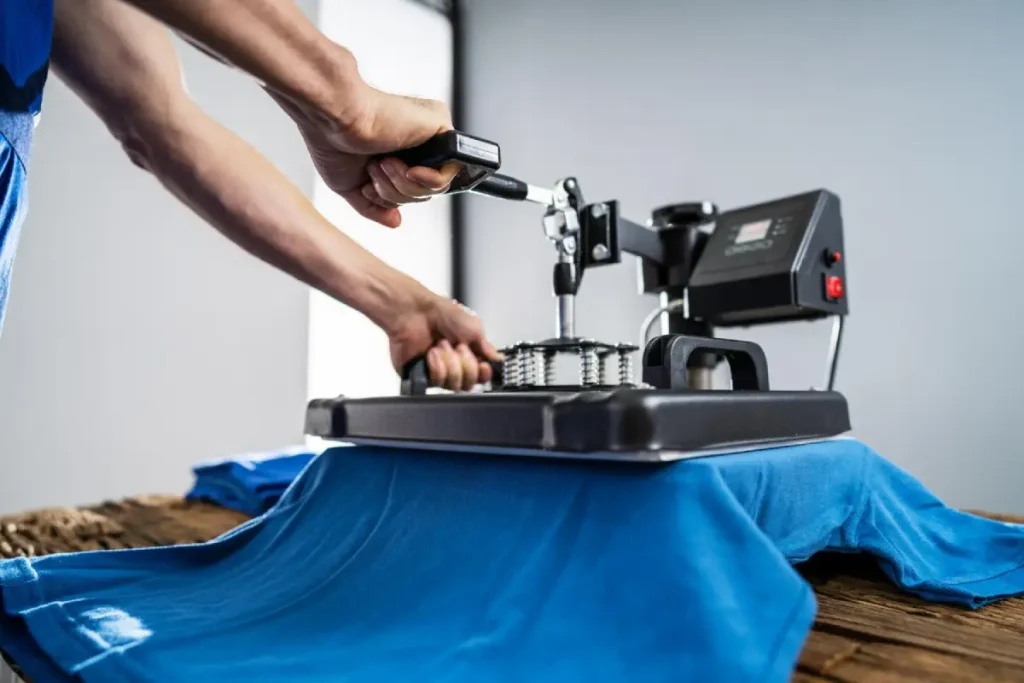
Transforming a high-grade transfer film into a retail-ready garment that easily survives fifty or more household laundry cycles requires strict control over three variables: temperature, time, and mechanical pressure. Attempting to apply these graphics using a basic home hand-iron or a weak hobby press is highly discouraged, as manual pressure is never completely flat or uniform across a large design sheet. Investing in a commercial swing-away or clamshell press ensures the liquefied adhesive compound penetrates deep into the textile weave. Always balance your heat settings against the fabric properties; heavy 100% cotton can handle higher temperatures to draw the adhesive deep, while synthetic performance wear requires lower, controlled heat to prevent fabric scorching.
Frequently Asked Questions
What unique fabrics can be decorated using this digital transfer process?
This printing application technique offers incredible versatility across almost all popular apparel surfaces, working flawlessly on 100% cotton, polyester blends, heavy denim jeans, thick canvas bags, nylon windbreakers, and even specially treated real leather panels.
What is the most effective way to store unapplied graphic sheets?
Keep your unapplied transfer sheets stored completely flat in a cool, dark, and dry environment. Keeping them sealed inside an airtight plastic storage container along with fresh moisture-absorbing silica gel packets will keep the cured adhesive powder perfectly stable and ready to press for up to a full year.
How should customers care for their finished custom apparel?
To maintain long-term graphic brightness and prevent surface wear, instruct your customers to turn the garments completely inside out before washing. Clean using cold or warm water with mild laundry detergents on a gentle cycle, avoiding harsh bleaches or liquid fabric softeners.
Elevate Your Custom Clothing Production Today
Succeeding in the competitive custom apparel market demands an absolute focus on superior raw materials, organized workshop workflows, and pristine final garments. At harwindtf.com, we are fully committed to supplying custom designers and print shop operators with top-tier production materials engineered to elevate your creative brand above the noise. Our premium transfer systems ensure your graphic lines showcase deep color vibrancy, rich opacity, and excellent stretch resistance. Partner with harwindtf.com today, optimize your studio heat press workflow, and deliver retail-quality custom clothing that your audience will be proud to wear day after day.